IT Essentials: Big Tech’s immunity has outstayed its welcome
Security, geopolitics and the law are converging, and Big Tech is no longer insulated
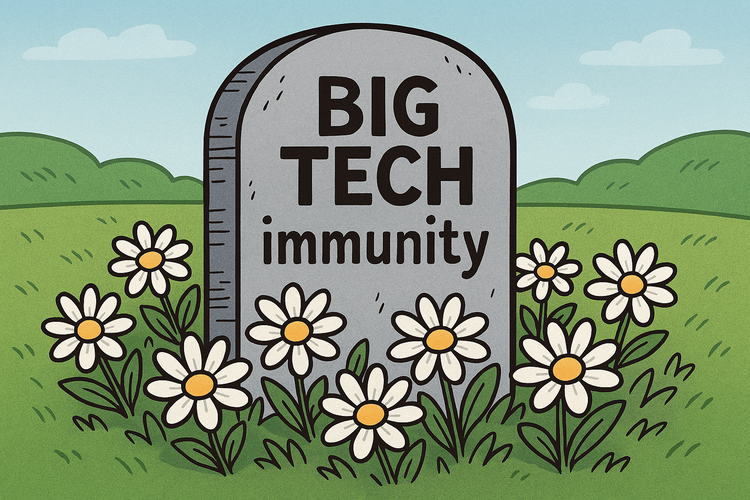
Flowers and tech events are blooming in London, but Spring is a season of discontent for Big Tech.
Coffee mornings, breakfasts briefings, power lunches, roundtables. Conferences, tours, expos and festivals. Sun’s out, summit’s out.
That’s right, Spring is here, tech events are in full swing and the Computing team is busy, busy, busy.
Most notably this week – at least, we think so – was our own Security Leaders Summit, where we explored both the current threat landscape and modern security leadership.
AI has been all anyone can talk about in recent years, but the challenges run wider and deeper. Ignore them at your peril.
Q-Day, when quantum computers will disrupt all our efforts to protect ourselves and our data, is fast approaching. In fact, Google just moved up the timeline.
At the same time, the geopolitical status quo – which has taken a good kicking since 2016 –continues to be flogged mercilessly from the USA to China, with Europe trying desperately to hold on in the middle.
Read all about the Security Leaders Summit in our coverage on Computing over the coming days. But, something else happened this week away from London’s conference halls.
A plaintiff in the USA has successfully sued Meta and Google for creating purposefully addictive platforms (Instagram and YouTube), wringing $3 million from the companies and another $3 million in punitive damages.
Unlike previous cases against Big Tech, this one accused the platforms themselves of being faulty. That meant the defendants couldn’t shelter behind the open arms of Section 230, which protects them against cases related to content.
Meta et al have successfully insisted they are platforms, not publishers, for many years. But the tide is turning. UK MPs argued this week that their content curation puts these firms directly into the latter category, Europe’s Digital Services Act explicitly rejects the idea that platforms can ignore the risks created by their systems, and as seen above, even US courts are done with courting Big Tech.
Recommended Reads:
The Computing team has been busy. As well as our Security Leaders Summit (see coverage here and here, with more to come), we’ve covered the public-private partnership risk at the Met Office’s In the Cloud Event; John Leonard visited Dublin to learn more about how the city is lifting its five-year moratorium on datacentre construction – by forcing them to supply their own power; and I was at Oracle’s AI World Tour to hear about the transition from capability to control.
Meanwhile, Penny Horwood has been busy hosting the Security Excellence Awards, and pulling together our inaugural AI Leadership Index: the people shaping the future of artificial intelligence in the UK.
Finally, Computing Deutschland editor Kerstin Stief has covered Europe’s position in the race for AI sovereignty, security and regulation.