IT Essentials: AI is a farce multiplier
Claims of rallying the robots are just alternative facts
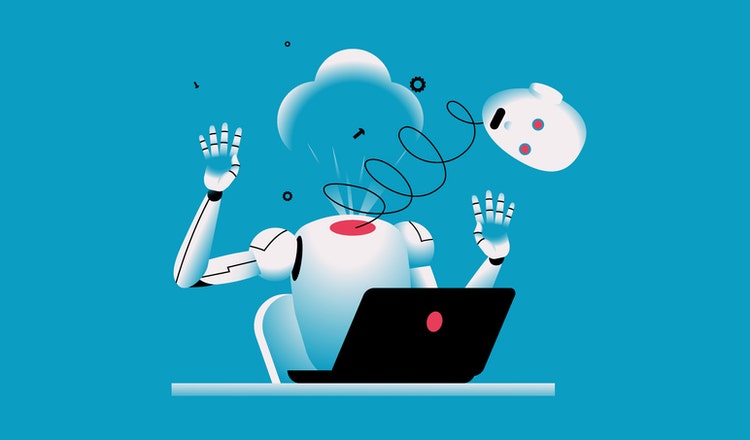
How accurate are the claims of mass job replacements with AI – and is there an ulterior motive?
After crashing millions of Windows machines last year, Crowdstrike has boldly decided to strip out the pesky human element and replace 500 staff (about 5% of its workforce) with AI.
The security company is far from the first tech business to give humans the hump and rally the robots. It’s not even the worst offender, joining firms like Klarna (1,000 jobs), Duolingo (hiring freeze) and Workday (1,750 jobs). Understandably, though, people are worried about Crowdstrike handing any control over when it managed to achieve such a monumental failure even with humans in the loop.
There’s a lot of buzz about this job replacement trend, but I wonder how accurate it actually is. Klarna, for example, is due to launch an IPO this year; is it any wonder it would try to boost its stock price by hitching its wagon to tech’s hottest development – one that investors can’t get their hands on fast enough?
People I’ve talked to in the industry also have their doubts about these massive job replacement claims, being of the opinion that “AI” is probably code for a little more Copilot and lot more offshoring.
It’s not just my cynical journalist brain, either. Research published last month found that AI has failed to have a notable economic impact, and “AI chatbots have had no significant impact on earnings or recorded hours in any occupation.” Meaning, the great job replacement claims are just that.
This should concern the industry, which remains committed to spending huge sums on AI, though there are signs that even vendors’ appetites are cooling down.
Instead of pushing AI for the sake of it, it’s time to put the brakes on and consider how workers are actually using it. Focus on those use cases first, rather than throwing everything at the wall and seeing what sticks; that strategy is going to run even AWS out of money eventually.
By the way, Crowdstrike has also warned that AI could introduce a slew of new errors into the business. So that’ll be a fun one to watch.
Recommended Reads:
We’ve got plenty of coverage from our annual Cybersecurity Festival last week, including this excellent article by John Leonard on what Accenture learned when its CEO was deepfaked.
Former FBI agent and hacker Greg van der Gaast told the audience that security professionals are the problem in cyber, while our panel talked about how to win budget in a difficult economy.
And our keynote speaker, Rebecca Taylor, looked beyond the office walls to where cybersecurity has to start: in the home. Penny Horwood has also reviewed Rebecca’s newest book, An Agony Aunt’s Guide to Surviving Cyber, this week.
Finally, away from the cyber side, I talked to Javed Iqbal of British American Tobacco about how he rolled out AI at FTSE scale. It starts with strategy, not hype. Can someone tell Klarna?