This site uses cookies. By continuing to browse the site you are agreeing to our use of cookies. > Find out more here
18 Jul 2012
View Comments
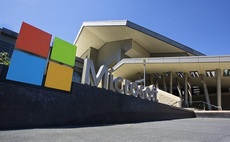
Microsoft is facing a new investigation by the European Commission, this time into whether the software giant has abided by anti-trust commitments it made in a 2009 settlement.
The investigation follows claims that Microsoft failed to provide Windows users with a choice of default browser choice, as it had promised to do, when it updated Windows 7 with Service Pack 1.
The company has been warned that the penalties for non-compliance will be "severe".
In a statement, Microsoft blamed a "technical error" for the breach. "Due to a technical error, we missed delivering the BCS [browser choice screen] software to PCs that came with the Service Pack 1 update to Windows 7," admitted Microsoft in a statement.
However, Microsoft had claimed in a report to the commission in December that it was still providing users with the choice screen. In its statement, the company said that it still believed that was the case when that submission to the commission was made.
The initial anti-trust investigation has been sparked by a 2007 complaint from browser software maker Opera Software about browser access in Microsoft's operating systems. In Windows XP and earlier operating systems, Microsoft had integrated its own browser, Internet Explorer, so tightly into the operating system that it was judged to give Microsoft an unfair advantage in browser software.
EU competition commissioner, Joaquin Almunia, warned that the sanctions against Microsoft could be tough if the new investigation confirms a breach of compliance.
According to web browser maker Opera Software, the initial implementation of the browser choice screen in 2010 resulted in a surge in downloads, boosting usage of the company's browser by about 50 per cent.
However, it also complained that browser choice was buried amid a number of configuration screens.
Since the settlement, though, Internet Explorer has continued to be pegged back in terms of market share, with Google's Chrome now running a close second globally. The open source browser Firefox is estimated to have a 20 per cent global market share, while Opera typically weighs in at just two per cent – although it is popular in some eastern European and central Asian countries such as Ukraine, Belarus and Uzbekistan.
Newsletters
Latest stories from Legislation and Regulation
Latest videos
You may also like
Legislation and Regulation jobs
Does Google know too much about you?
Updating your subscription status
The trend towards non-desktop-based devices is enabling more flexible working practices and behaviours
Upcoming Events
Date: 29 May 2013
THIS EVENT HAS BEEN POSTPONED DUE TO ILLNESS. Business intelligence is enjoying an upsurge of interest. In an era in which businesses and organisations...
Date: 11 Jun 2013
The enterprise mobility summit will examine how organisations can manage the increasing array of endpoints which are enabling mobile computing in business....
Receive the latest jobs direct to your inbox
Are you being paid what you are worth?