HSBC says thousands of customers were affected by data theft

11 Mar 2010

Be the first to comment

A Computing logo
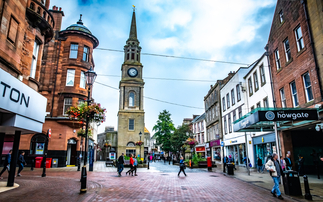
HSBC building
The privacy of some HSBC customers is under threat

A former HSBC employee stole client data from the bank affecting up to 24,000 customers in Switzerland, it emerged today.

“The theft, which was perpetrated by a former IT employee about three years ago, involves approximately 15,000 existing clients who had accounts with the bank in Switzerland before October 2006,” HSBC said in a statement.

Further reading

However, reports suggest that an additional 9,000 accounts were also affected.

Ex-staffer Herve Falciani copied the data onto a personal computer and left for France while under investigation. He was allegedly trying to sell the data for more than £2m.

Back in December, HSBC said that fewer than 10 clients were affected by the thefts, which took place in 2006 and 2007.

HSBC has been in touch with the customers concerned. The bank believes the stolen data will not allow unauthorised people to access those accounts, despite the fact that the incident could mean that some of the account holders affected could be risking prosecution by tax authorities.

"We deeply regret this situation and unreservedly apologise to our clients for this threat to their privacy," said Alexandre Zeller, chief executive of the Swiss subsidiary.

Reader comments

Have your say on this article

All fields required. Your email address will not be displayed on the site.

By submitting a comment you agree to abide by our Terms & Conditions

  • Digg
  • Tweet

Newsletters

Sign up for our FREE newsletters

Will Google’s new privacy policy impact how you use its services?

Google recently said will consolidate more than 60 of its privacy policies into one, unifying customer data across most of its products. The announcement has met with a backlash in the US, while EU officials have asked Google to put its plans on hold so it can assess the privacy impact for users. Will you consider not using Google in the future as a result?

80 %

5 %

2 %

13 %