With the proliferation of smartphones over the past couple of years, it is easy to forget that mobile commerce (m-commerce) began back in 1997 when the first two mobile phone-enabled Coca-Cola vending machines were installed in Helsinki, Finland. Those machines accepted payment via SMS text messages.
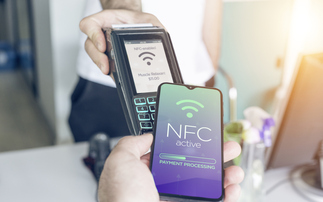
But m-commerce has since evolved to encompass sales of ringtones and wallpaper images, and more recently transactional smartphone apps, mobile-optimised web sites and handsets that can be used as payment devices in shops.
The global mobile entertainment market is worth about $36bn (£23.3bn) per year, which includes m-commerce payments made by consumers along with revenue generated through advertising in exchange for content, such as ringtones and logos, according to the Mobile Entertainment Forum (MEF).
Retailers, brand owners and content producers are now trying to better understand how to leverage the mobile device to drive customer acquisition, retention and most importantly, conversion. And they are starting to make headway.
“UK shoppers spent £6.5bn online in 2010 and according to IMRG [Interactive Media in Retail Group] 18 per cent of that was generated using mobile sites and applications,” says Kosten Metreweli, chief marketing officer at traffic management software provider Zeus Technology.
“So we’re talking about a significant amount of revenue and obviously it is growing incredibly quickly – retailers who ignore this market do so at their peril,” he adds.
With the arrival of smartphones and tablet PCs on the market, the mobile user’s experience has changed significantly over the past 18 months. Whereas m-commerce used to consist predominantly of micropayments, with users being charged for transactions via their phone bill, now consumers are willing to order goods via their mobile device. In the past 12 months, customers have ordered more than $1bn of products from Amazon using a mobile device.
And the future for m-commerce appears to have no bounds, with many predicting that it will surpass traditional online sales because consumers are increasingly comfortable with the idea of using their mobile devices in a variety of ways.
“Today’s mobile devices are simple to use and the user experience is wonderful.
People are using the mobile device in greater numbers to assist in everything from using retailer web sites to using them for barcodes, research and comparison web sites, as well as purchasing,” says Suhail Bhat, policy and initiatives director at MEF.
“People are taking to mobile in commerce in a way that we have not seen before and I think it’s taking the industry by surprise as well. Their willingness to engage using the mobile device is different – it’s that behaviour that we did not see in the early internet days.”
Contributing to the success of m-commerce is the wide variety of software tools available to help drive sales. The MEF predicts that many of these will help make using a mobile phone to purchase goods and services much more appealing.
“Mobile voucher redemption rates are huge compared with the redemption rates for paper coupons, and that is because of the immediacy. If you combine a mobile coupon with a social network and a location-based service, you have a powerful tool to engage with a customer. How would you have that by sitting in front of a desktop?” asks Bhat.
Going forwards, 2011 is expected to see the popularity of m-commerce rise to new heights. One area of change is the increased importance of the context of m-commerce. Through the increased use of enabling services, such as those that use location and GPS data, businesses will compete to offer more personalised services in a bid to foster long-term loyalty and user engagement.
As a result, mobile vouchers and coupons that combine social media, in-app billing and location-based services are expected to be the biggest source of m-commerce revenue in 2011.
This year will also see other trends. For example, the use of personal information to facilitate m-commerce transactions is likely to come under increasing scrutiny by law makers and regulators as consumer privacy concerns grow. And as consumers become ever more adept at using their handsets to shop, their rising expectations will push down pricing for all forms of mobile content and services. However, the MEF claims that the greater overall consumption will still generate increasing revenue for retailers.
Have your say on this article
Newsletters
Latest stories from Mobile
Latest videos
You may also like
Mobile jobs
Technology Patent Wars
Case studies from large organisations across all sectors
... And rich media, and flexible working, and peaks in traffic ...
Upcoming Events
Join us for this Computing web seminar, in which the Head of BI at the Co-operative Group Nick Colebourn will be explaining just how he reigned in the Group’s sprawling database estate and how significant savings were realised and data quality improved as a result.
Date: 31 May 2012
Time: 11:00 AM
Live June 13th 11:00am: Register now. During this web seminar we will be looking at the sorts of incidents that can bring data centres grinding to a halt and what can be done about them.
Date: 13 Jun 2012
Time: 11:00 am
Receive the latest jobs direct to your inbox
Are you being paid what you are worth?