IT Essentials: The irony of the AI PC
The biggest pull factor is protecting yourself against AI
AI PCs still don't have a killer app, so why are they everywhere?
While hosting a panel about next-gen devices and tools this week, I asked whether the AI PC is something end users were actually demanding today or if it was mostly being pushed by vendors.
Getting IT to try something new and shiny is not difficult, but I was still surprised by how enthusiastic delegates were about this new class of device. And it’s not just because it’s a new toy: there were some genuine – though limited – use cases out there today.
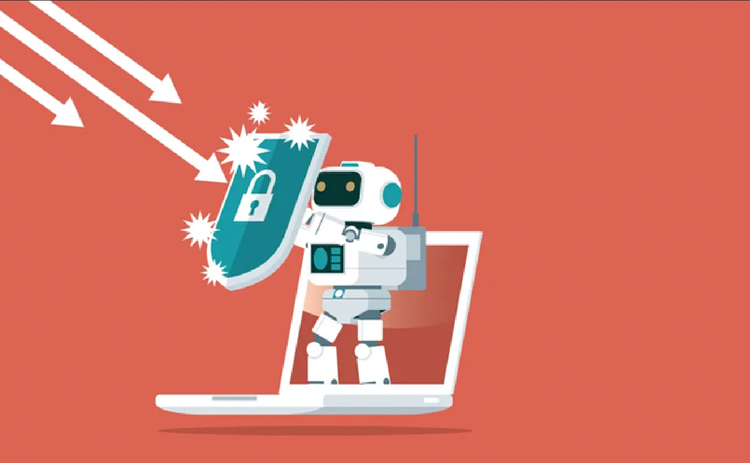
For the users I talked to the biggest pull factor towards AI PCs isn’t live translations or image manipulation, but data privacy. The idea of private data leaking into public tools is a worrying thought, especially for those in regulated industries, so on-device processing is by far the most compelling prospect for an AI PC today.
Is it a killer app? Probably not, but it increasingly looks like these devices aren’t going to go that route. Rather than a single sector-defining leap forward, they’re a collection of small conveniences that are greater than the sum of the parts. Less horse-to-car, more satnav + lane assist + cruise control.
Concerns about AI training data reached the news again this week, when two US judges sided with tech companies and against creatives. First Anthropic and then Meta won lawsuits, giving them carte blanche to train their systems on digital books without the authors’ consent.
When it comes to AI, legal precedent is being set as we speak, but unfortunately, decisions made outside the USA are largely irrelevant. No matter what the UK government eventually decides, AI owners remain more likely to beg forgiveness rather than permission – if you’re lucky.
The irony of using an AI PC to protect yourself against the people developing AI is not lost on me.
Recommended Reads
Partner and patent attorney Dr Harry Strange has asked the pressing question, “Who owns generative AI?”, recognising the complex issues in this area of tech and law.
British water companies have been in the spotlight lately for all the wrong reasons. This week John Leonard talked to Anglian Water CDO Matt Edwards to find out how robust data governance could be key to tackling rising pressure and falling standards.
And tech is at the heart of transformation for NHS Blood & Transplant, helping to solve the ticking timebomb of organ demand outpacing donors. Deputy CIO and CISO Phil Chatterton told me that scalable systems are removing the barriers from donation - and that's only the start of the plans.