Fridge attacks: Hackers target French blood banks
Units holding therapeutic plasma set to 110°C
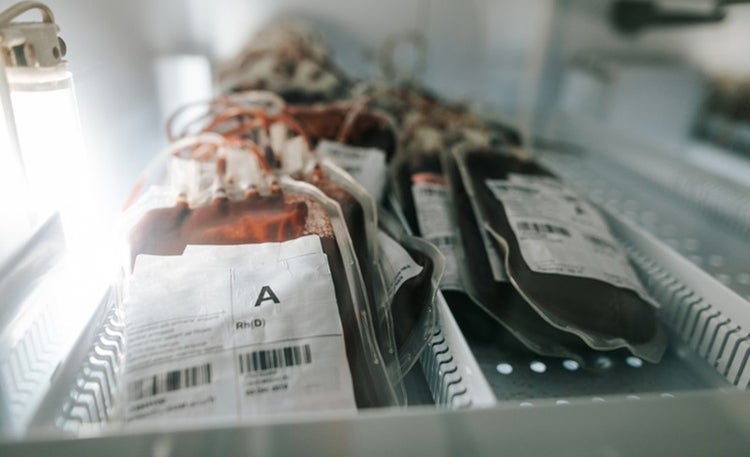
The recent cyberattack on refrigeration units across Europe affected medical facilities as well as supermarkets.
The French Blood Establishment (EFS) said "temperature and defrosting thresholds were raised to extremely high levels" at three of its plasma cold-storage sites in Bourgogne-Franche-Comté overnight on 1st November.
The news was first reported by Le Canard enchaîné, a French satirical and investigative weekly, before being picked up more widely.
Temperature settings in cooling units were allegedly changed from -30°C to 110°C when the EFS' service provider, Coolworld – which supplies temperature-controlled equipment and maintenance services – was attacked.
The French Health Ministry says staff detected the abnormal temperatures in time to avoid any operational consequences.
“Monitoring and alarm systems quickly detected the anomalies, allowing staff to take action to ensure that no blood products or samples were compromised."
EFS initially said the attackers targeted donor samples stored for investigations into blood transfusion.
However, it later said the targets also included cooling units storing bags of plasma for transfusion into patients, aka therapeutic plasma, as well as plasma used in medicine manufacture.
Cyber agency had warned about exactly this type of attack
Vincent Strubel, director general of Agence nationale de la sécurité des systèmes d'information (ANSSI), France's cybersecurity agency, had previously warned about attacks on the medical supply chain.
After the cyberattacks on French supermarket fridges last month, Strubel had explicitly said that similar technologies were used in research laboratories, pharmacies and health sector facilities.
ANSSI published an official alert after the supermarket incident relating to the compromise of Danfoss, Copeland and Dixell refrigeration controllers.
There is currently no evidence to confirm or deny that Coolworld was using these units, and investigators have not yet publicly identified the attackers' entry method.
Refrigeration attacks grow in scope
The incident at EFS is part of what appears to be an expanding sabotage campaign affecting cooling systems across Europe.
The first compromise came in mid-October, affecting around 400 supermarkets across France and costing hundreds of millions of euros in lost stock.
That was followed by a similar attack over the weekend against grocery chains and food suppliers in Sweden, Belgium, Luxembourg, Iceland, the Netherlands and the UK.
The European Commission has described the incidents as a deliberate attempt to disrupt food supply chains and undermine consumer confidence.