Fridge cyberattacks affect UK meat suppliers
Outdated tech leaves food industry vulnerable
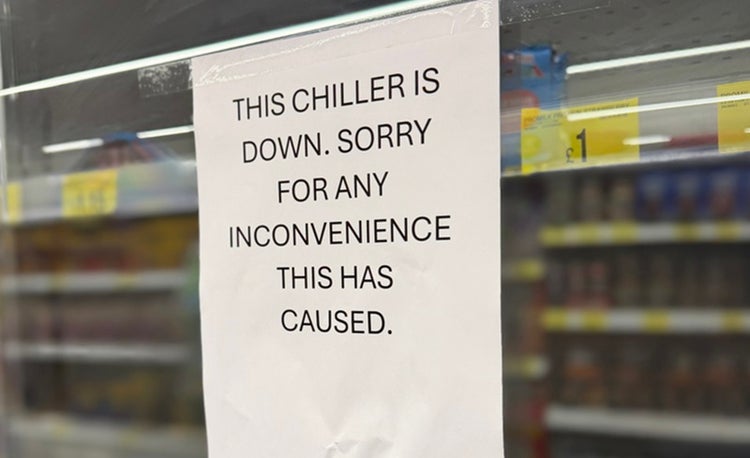
Cyberattacks targeting refrigeration systems across Europe have affected parts of the UK's meat processing industry, the NCSC has confirmed.
The National Cyber Security Centre said the impact in the UK had been minimal so far, but that it was working with affected businesses to identify security weaknesses and prevent further incidents.
NCSC director of operations Paul Chichester said the organisation was aware of "a couple of instances where vulnerable technology had been exploited in the UK."
He added that the agency was helping businesses identify existing vulnerabilities before criminals could exploit them.
Speaking at the launch of the NCSC's annual report, chief executive Dr Richard Horne told BBC Radio 4's Today programme that the organisation had worked overnight to warn UK organisations that could have been affected.
The British Association of Independent Meat Suppliers (AIMS) said two businesses experienced unexpected defrosting of their refrigeration units, while another reported temperatures in its cold storage equipment rising to 100°C.
AIMS spokesman Tony Goodger said the affected units were empty at the time, meaning no meat or other produce was lost. However, he urged businesses to remain vigilant and review the security of their equipment.
Supermarkets across Europe forced to discard food
The warning follows a series of cyberattacks targeting supermarket refrigeration systems across Europe.
On Monday, retailers in France, Ireland, Sweden, Estonia, Belgium, the Netherlands and Finland reported problems with their fridges and freezers.
More than three dozen Delhaize supermarkets in Luxembourg and Belgium were affected, alongside a smaller number of stores elsewhere.
Belgian refrigeration manufacturer Sabcobel said the attackers had switched the evaporators in some units into defrost mode, forcing temperatures to rise.
Several retailers were forced to dispose of spoiled frozen food, with some reporting losses worth hundreds of thousands of euros.
Last month, hundreds of supermarkets in France were targeted overnight in a similar attack, resulting in food losses estimated to be worth millions of euros.
Horne said the French incident involved older technology connected to the internet using default passwords.
AI is making attacks on outdated systems easier
Horne warned that decades of underinvestment had left parts of the UK's technology infrastructure vulnerable.
He said the country had relied on "tech on the cheap" for too long, with many organisations continuing to use old systems without upgrading them or properly isolating them from the internet.
Horne also warned that AI could make it easier for hostile actors to identify and exploit weaknesses.
"Vulnerabilities that have been tolerated for far too long can now be discovered and exploited at a scale that was once unimaginable," he said.
The NCSC has warned that AI-powered attacks could pose a growing threat to critical national infrastructure over the next two years.
Horne urged businesses and other organisations to invest in replacing outdated technology and strengthening their cyber security arrangements.
"We do need all organisations to look at what they rely on, to invest in renewal," he said, adding that the responsibility ultimately rested with individual organisations to ensure their systems were secure.
European authorities are currently assessing the security of the food supply chain.