ICO: Police facial recognition needs stronger oversight
Audits reveal 'mixed picture'
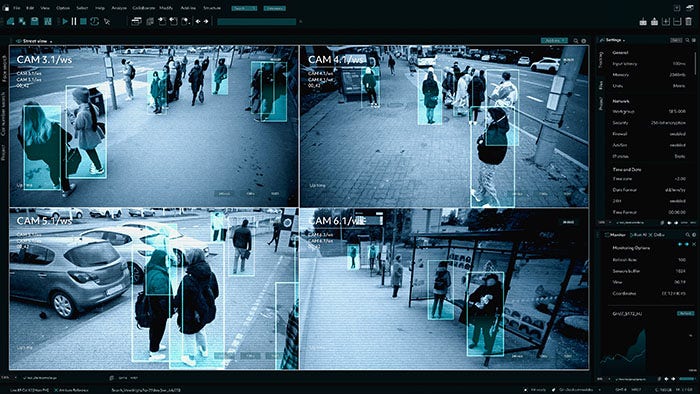
UK police forces must improve their use of facial recognition technology to strengthen accountability and public trust, the Information Commissioner's Office (ICO) has warned.
The data regulator said audits of five police forces found a "mixed picture", with inconsistencies in how the technology was being deployed and governed.
The ICO has made 107 recommendations covering data protection compliance and best practice governing the use of facial recognition in law enforcement. All five forces it reviewed – West Yorkshire, Greater Manchester, South Wales, Gwent, Essex and Leicestershire – accepted or partially accepted the recommendations.
The ICO said there were areas where forces had provided "genuine areas of assurance", including identifying and documenting a lawful basis for processing personal information linked to facial recognition.
But it said more needed to be done to ensure senior officers had clear oversight and that staff understood their responsibilities when using the technology.
Police forces must also keep accurate records of what personal data is being used, where it came from and how it is processed, the regulator added.
Additional safeguards are needed to minimise the risk of bias or unfair treatment and to ensure facial recognition systems remain accurate.
The ICO said its research showed that the public generally supported facial recognition for law enforcement, but that support was conditional. People were more likely to accept the technology when its use was targeted and clearly justified, it said, while confidence depended on transparency, accuracy and fairness.
Police forces around the UK are expanding their use of facial recognition.
British Transport Police recently announced plans to extend a live facial recognition trial to London Underground stations.
The Metropolitan Police has also said it intends to introduce the technology in London's West End by Christmas, following a six-month pilot in Croydon.
The technology has faced scrutiny outside policing too.
Sainsbury's suspended live facial recognition at one London store this week after a customer was wrongly identified as a suspected shoplifter.
Concerns over police watchlists
The ICO said compliance was generally stronger for live facial recognition (LFR) than for retrospective facial recognition (RFR).
With RFR, officers search existing images against police databases after an incident.
The regulator said forces needed to ensure images used for these searches came from appropriate sources and were not retained for longer than necessary. It also called on forces to limit the size of facial recognition watchlists, and use only images that are accurate and lawfully held.
The issue is particularly sensitive because of concerns over custody photographs held on police databases.
The ICO said police forces must be able to demonstrate that images placed on watchlists are necessary and relevant to the purpose for which the technology is being used.
Push for clearer rules
The ICO said it would work with the National Police Chiefs' Council to support a more consistent approach to compliance across England and Wales.
It is also working with the Home Office as ministers consider changes to the legal framework governing facial recognition and policing.
The regulator is due to audit the Metropolitan Police's use of facial recognition later in 2026.
The government is currently reviewing whether existing rules around facial recognition tech are sufficient.
Last year, the Home Office began a 10-week consultation examining how the police use LFR, arguing that the current legal framework was a "patchwork" of different rules.
The department said the existing system did not give police sufficient confidence to deploy facial recognition on a significantly larger scale, and also fails to consistently reassure the public that the technology would be used responsibly.