EU proposes bloc-wide social media restrictions for children
President von der Leyen says “it is about whether and when social media can access our children”
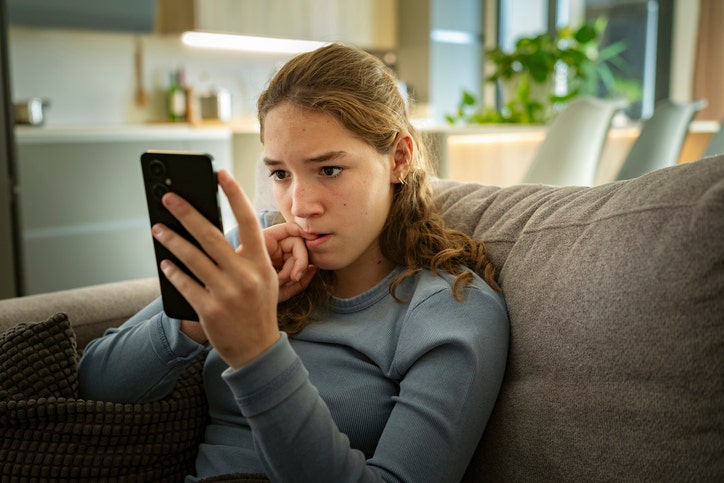
The European Union is preparing legislation that could introduce bloc-wide age restrictions on children's access to social media, echoing similar legislation around the globe.
European Commission President Ursula von der Leyen said the proposed law, expected later this year, would shift responsibility for children's online safety towards technology companies rather than parents alone.
"It is not about whether children can access social media," she said. "It is about whether and when social media can access our children."
While she stopped short of endorsing a specific minimum age, von der Leyen said she supported a "staged approach" to internet use based on children's age and development, following recommendations from an independent panel of experts.
Panel recommends age-based approach
The panel proposed delaying access to what it described as "social media plus" services until at least the age of 13. The category includes traditional social media platforms as well as digital services using similar engagement features, including some video games and AI chatbots.
In that way the EU’s proposals go further than similar restrictions underway in the UK, Australia and elsewhere.
The panel also recommended allowing individual EU member states to impose higher minimum ages if they considered additional safeguards necessary.
The report [pdf] says children aged 13-15 are especially vulnerable to mental health problems linked to social media because of heightened sensitivity to social comparison, peer feedback and exclusion.
The experts also outlined wider guidance on children's use of digital technology.
They recommended that children under the age of three should avoid screen use except for limited activities such as video calls with family members, while children aged three to 12 should only access the internet for limited periods under adult supervision.
Global push
The proposals come amid increasing political pressure across Europe to tighten online protections for minors.
France has pledged to restrict social media access for children under 15, while Spain supports a minimum age of 16. Greece is set to introduce restrictions for under-15s from January 2027.
However, not all EU countries support age-based bans. Estonia and Belgium argue that such measures are difficult to enforce and that platforms themselves should bear greater responsibility for protecting children.
Outside Europe, Australia has already implemented one of the world's strictest social media policies, preventing under-16s from accessing platforms including Facebook, Instagram, TikTok, Snapchat, YouTube and X.
The UK is also preparing to restrict access to "high-risk" social media platforms for children under the age of 16. Prime Minister Sir Keir Starmer has said the measures, due to take effect next year, will apply to Snapchat, TikTok, YouTube, Instagram, Facebook and X.
The European Commission's proposal will need the approval of both the European Parliament and EU member states, where negotiations are expected to focus on whether a bloc-wide minimum age should be set at 13, 15 or 16.
Ongoing investigations
The legislation would complement ongoing investigations into major technology companies under the EU's Digital Services Act.
Last week, the Commission ordered Meta to address what it described as addictive features on Facebook and Instagram, months after raising similar concerns about TikTok.
Brussels said Meta had failed to adequately reduce the risks its platforms pose to children and other vulnerable users.
EU Consumer Protection Commissioner Michael McGrath said additional legislation expected later this year would provide stronger safeguards against online services designed to encourage prolonged engagement among young users.