Social media and chatbot ban coming for UK under-16s
Leaving the rest of us to trust Big Tech with our IDs
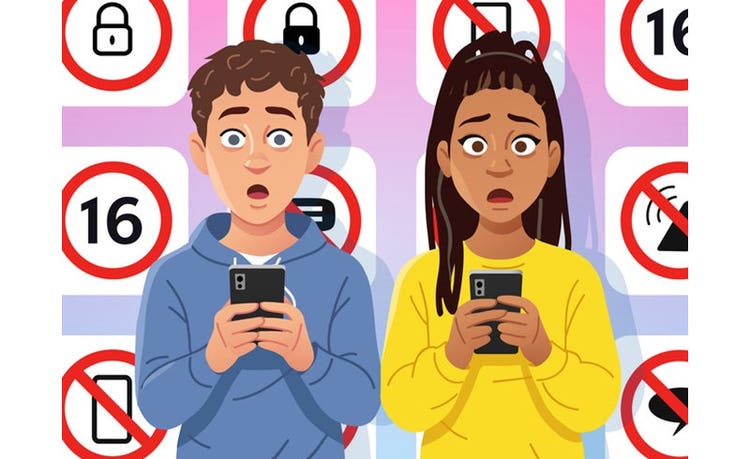
Young people under 16 in the UK are to be legally banned from using “high-risk” social media apps, while a ban on some AI chatbots will be in place for anyone under the age of 18.
Prime Minister Keir Starmer has said the ban, which will come into force next year, will cover major sites including Snapchat, TikTok, YouTube, Instagram, Facebook and X.
It follows in the steps of a precedent set by Australia, which voted to ban under-16s from social media in 2024.
While the government has not yet confirmed the full list of affected platforms, it has said the ban will apply to apps “whose purpose is to enable social interaction and which allow users to post material.”
That is an extremely broad remit, and it remains to be seen how far the government wishes to take the ban. Will Reddit be affected? Pinterest? Tumblr?
We know messaging platforms, like WhatsApp and Signal, will not be part of the ban; but that young people will be prevented from livestreaming, including on gaming platforms.
Likewise, we know there will be a block on functions in many apps allowing users to communicate with children under 16, and restrictions on those functions for under-17s. The intent there is to prevent a “cliff edge at 16.”
No more flirty AI
British citizens legally become adults at 18, and all restrictions will stop at that point. But, anyone under that age will still be barred from interacting with romantic or sexual AI chatbots.
Developers will need to enforce a minimum age limit on these apps.
More generally, all AI chatbots will have to restrict “intimate functionalities” for under-18s.
Age verification
The UK has experienced its share of criticism after enacting the Online Safety Act, which required adult websites to verify UK users’ identities – leading to a surge in VPN use from members of the public concerned their viewing habits could be exposed – and tied to them personally – in the case of a data breach.
Alex Laurie, GTM CTO at Ping Identity, said the “real test” for this ban is whether it makes children safer online or simply pushes their activity underground.
“If young users turn to VPNs, workarounds or less visible platforms, the risks become harder to monitor,” he said.
Nevertheless, the government seems committed to age assurance. Social media apps will be required to assess users’ ages after the ban comes into force.
Typically, that would mean asking for scans of users’ ID documents or face-scanning technology.
The government says it has learned lessons from Australia’s social media ban; but Ofcom has still been asked to carry out a “rapid study” of age verification methods, according to the BBC.
While parents have almost fully supported the government’s move – with nine out of ten in favour in the government’s recent consultation – teenagers are less encouraged.
Only one social media firm, YouTube, has released a statement on the move so far. It said it was concerned a blanket ban would see children move away from “curated, supervised, beneficial experiences and towards anonymous, less safe services.”