Industry voice: Windows 10 Support Has Ended. Migration support from channel partners is now critical
History has shown what happens when organisations delay upgrades.
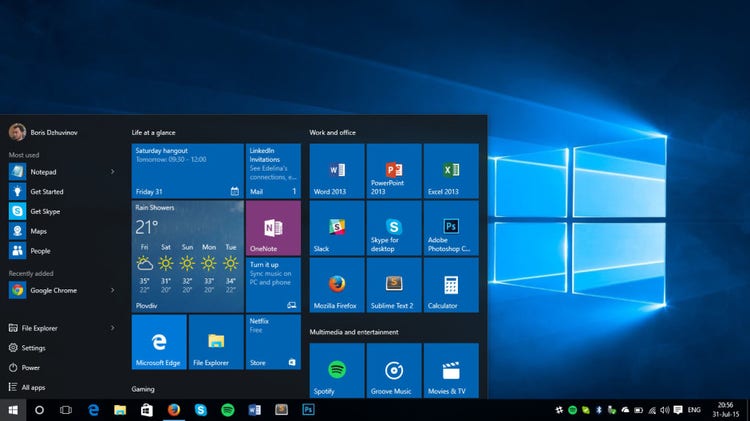
As of October 14, 2025, Microsoft has officially ended support for Windows 10, bringing to an end updates, security patches, and technical support. While devices running Windows 10 may still function, they are now vulnerable to malware, cyberattacks, and compliance risks.
Organisations that haven’t yet migrated to Windows 11 are now at greater risk, not just from security vulnerabilities but from productivity loses caused by outdated systems.
Post-support risks
Once Windows 10 reaches its official end of support, Microsoft will stop delivering all future updates for the operating system. This includes not only technical support and minor performance enhancements but also critical monthly security patches. Without these updates, systems will remain at their last supported state, leaving any newly discovered vulnerabilities permanently unpatched.
Furthermore, software vendors and hardware manufacturers will stop certifying their products for Windows 10, leading to driver failures and performance issues, incompatibility with new applications and a loss of access to modern productivity tools.
Cybercriminals aware of which operating systems have reached their end of support scan networks for outdated systems. Exploits targeting legacy platforms are routinely shared on underground forums, and attackers use automation to identify and compromise unprotected machines within minutes.
Lessons from Windows XP and 7
History has shown what happens when organisations delay upgrades. After support ended for Windows 7 in 2020, many businesses found themselves vulnerable to ransomware attacks. Similar consequences occurred after the end of support for Windows XP. In both cases, unsupported systems were disproportionately affected by ransomware outbreaks and data breaches.
Channel partners as migration advisors
Even though 88% of enterprise devices are technically ready for Windows 11, many organisations still need help navigating the transition. Channel partners are positioned to lead organisations post-migration through readiness audits and upgrade paths. Channel partners equipped with the relevant knowledge should articulate the business value of Windows 11 and the risks of not migrating.
By guiding clients through this transition, they not only mitigate risk, they open doors to long-term customer loyalty and future-ready infrastructure.
Partners can turn a technical upgrade into a business transformation. This is a chance to build trust, modernise infrastructure, and align IT with long-term growth goals.
Why immediate action matters
Operating system migrations are complex. They require coordination across IT, procurement, and business units. Delaying increases the risk of disruption, productivity losses and missed opportunities.
For channel partners, this presents an opportunity to act as strategic advisors, help clients secure their environments and future-proof their operations.
This article is sponsored by Lenovo.