Interview: Hassell Inclusion, Digital Technology Leaders Awards finalist
'AI is the opportunity and the threat’
The progress of digital technologies has outpaced any previous innovation in history. Digital technology has the power to level the playing field by improving connectivity, promoting financial inclusion, and expanding access to trade and public services.
Computing's Digital Technology Leaders Awards offers IT professionals a stage to shine, setting their work apart and showcasing their dedication to the industry's future.
This year's winners will be announced at a live awards ceremony on Thursday 2nd July in London.
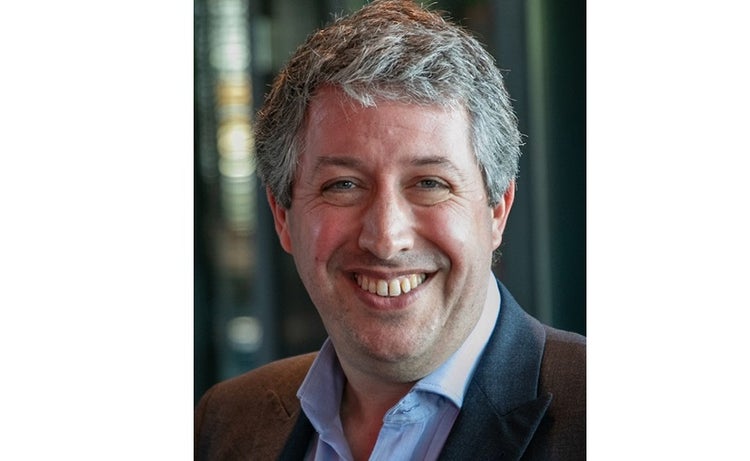
Hassell Inclusion is a finalist in the Outstanding Digital Inclusion Project category. We caught up with CEO and founder Jonathan Hassell to find out what the company is working on this year.
Hassell Inclusion is a UK-based digital accessibility agency providing services supporting 150+ organisations internationally including HSBC, ServiceNow, IKEA, and Santander, to embed accessibility into their digital products and processes.
Jonathan wrote the British and International Standards that define how to do this: BS 8878 and ISO 30071-1. Hassell Inclusion also provide free resources for the international accessibility community, including the Digital Accessibility Maturity Scorecard (given a Zero Project Award in 2022) and, since 2020, have provided free monthly accessibility webinars, helping over 26,500 registrations from across 87 countries.
Why do you think awards like the Digital Technology Leaders Awards matter?
For our clients, awards enable and protect accessibility funding. There's always pressure inside organisations to spend money elsewhere. Awards prove accessibility work delivered quality, impact and PR.
Since 2022, we've helped HSBC win over 20 accessibility awards and ServiceNow win 16 awards. Each one supported the continued funding of their programmes. For agencies like us, awards provide visibility of the excellence of the work we do for clients. Both sides win.
What would winning this award mean to your company?
We started our free accessibility webinars in 2020, expecting 30 registrations. Five years and 26,500+ registrations later, we've never charged. Winning this award would be an encouraging thank-you from the industry, and would help us promote our webinars, which upskill rather than tease, to a bigger audience. It would validate that giving quality knowledge away freely is a business strategy the industry appreciates.
What would you say is your company's proudest achievement over the past year?
HiBot. We wanted people to find reliable answers to their accessibility questions, when they have them, on demand, for free. So we built an AI Accessibility Maturity assistant trained on transcripts of our 65+ expert webinars.
A UK public sector organisation who tested it against public AI and Google Search said, while those pulled from outdated and “just plain wrong” responses, HiBot was more reliable and better organised.
What have been the biggest challenges of 2025 so far and how have you overcome them?
The economic climate is not good for many industries. Accessibility has fared comparatively well, mostly due to legislation like the European Accessibility Act. The challenge is ensuring organisations aren't short-sighted after the EAA June 2025 deadline. They miss two things - the risk of neglecting ongoing monitoring and maintenance; and the opportunity of promoting their website and app accessibility improvements to consumers with disabilities so they spend money through them.
Most organisations are missing that Return on Investment from their accessibility work. Our webinars have helped organisations transform their limited thinking – to understand what they have to win, not just what they need to do to avoid losing.
How have your people helped with that?
Our small team, as well as supporting our clients in 2025, answered 2,000+ of the questions of accessibility practitioners and senior managers in 1,500+ organisations through our webinars. Questions like "how do I do accessibility with a team of one and no budget?" set the agenda. Our people respond to what those doing accessibility right now are actually wrestling with.
How do you think the industry has changed over the past year and what changes do you think it still needs to make?
In 2025, many digital agencies, struggling for work, moved into accessibility with very little real experience. The market is now full of cheap audits that often don't help organisations who buy them. Organisations come to us every month for help fixing issues cheap audits didn't find or explain how to fix; it's the same with AI tools claiming to solve accessibility.
Making half a user journey accessible without fixing the other half doesn't help a person with a disability or the organisation that wants their custom. Organisations need to change to 'making ROI from accessibility' from 'wasting money trying to do it on the cheap'.
What do you see as the main opportunities for the industry in the coming year?
AI is the opportunity and the threat. It comes down to what Nvidia's Jensen Huang calls taste – making good decisions about which AI to use, and where humans are still essential. The digital industry needs to ensure it doesn't forget accessibility in the rush to vibe coding and agentic AI.
How do you plan to capitalise on those opportunities?
It's not about us. It's about all of us, whether organisations can afford to become a Hassell Inclusion client or not. We're running roundtables for strategy managers and AI leads to discuss how AI can deliver better accessibility alongside better velocity. Send your commercial people to those, your digital staff to our webinars and free Train 1000 training. All free. And if you want to invest so accessibility becomes something you win from, become a client.
The Digital Technology Awards will take place on 2nd July in London. Click here to view the shortlist and here to book your table.