Interview: Node4, Digital Technology Leaders Awards finalist
‘Businesses want to invest in AI, but are under pressure to control spending’
Computing's Digital Technology Leaders Awards offer the people at the forefront of IT a stage to shine, setting their work apart and showcasing their dedication to the industry's future.
This year's winners will be announced at a live awards ceremony on Thursday 2nd July in London.
Node4 is a finalist in two categories: CTO of the Year - Large Enterprise and Best Public Sector Digital Project.
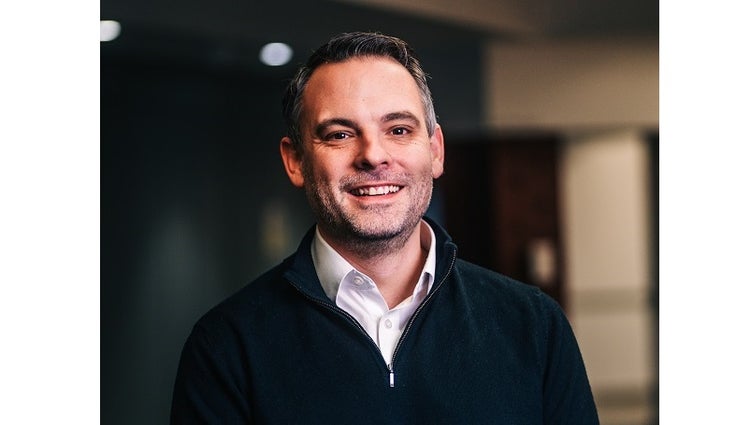
We caught up with Mark Skelton, Chief Technology Officer at Node4, to find out what are they working on this year.
Mark is an experienced technology leader, shaping the next phase of enterprise AI adoption at Node4. With more than two decades of experience spanning consultancy, technology leadership and scaling digital businesses, he is known for his ability to translate complex technology into practical business outcomes.
Mark has held various leadership roles, including Chief Technology Officer at Telefónica Tech and CEO of Incremental, driving technology strategies that transform organisations into cloud-ready businesses.
Why do events like the Digital Technology Leaders Awards matter?
Awards like the Digital Technology Leaders Awards matter because they shine a spotlight on the people behind the technology. While the headlines often focus on the end result, successful digital transformation is always the product of talented teams working together to solve complex challenges and deliver meaningful outcomes.
They provide an opportunity to recognise the dedication, expertise and collaboration that sit behind every successful project, whether that's technologists, operational teams, customer stakeholders or frontline users. These are the people whose contributions aren't always visible outside their organisations, despite their everyday impact. Celebrating those achievements helps inspire the next generation of technology leaders and reinforces the importance of investing in people as much as technology itself.
What would winning this award mean to your company?
Being shortlisted in both CTO of the Year and Best Public Sector Digital Project is already a huge achievement because it reflects two things we're particularly proud of: innovation and impact.
For me, winning CTO of the Year would be a recognition of the incredible work happening across Node4 as we help customers navigate complex technology transformation. While I have the privilege of shaping that strategy, none of it happens without the expertise, creativity and dedication of the teams across our business.
Over the past year, we've invested heavily across our portfolio – from ERP, cloud and data platforms to networking, security and AI – helping customers move from fragmented legacy environments to integrated, future-ready solutions that deliver real business outcomes.
While AI is an important part of that journey, it's just one element of a much broader transformation story. Although the award may have my name on it, it would represent the collective effort behind it.
Winning Best Public Sector Digital Project would be equally special. Galerie is a great example of what can be achieved when talented teams come together around a shared goal. Working alongside Lewisham & Greenwich NHS Trust, we developed a first-of-its-kind clinical photography application that addresses a genuine challenge for clinicians while improving patient care and strengthening data governance.
The fact that Galerie is directly integrated with the NHS Spine and has seen such strong adoption demonstrates the need for a solution like this across healthcare. Seeing the impact it is already having across the Trust has been a success in itself, but industry recognition would provide a valuable platform to showcase what's possible and potentially help other NHS Trusts benefit from the same approach in the future.
If Galerie can contribute to improving clinical workflows and patient outcomes more widely across the NHS, that would be a fantastic legacy for the project.
What would you say is your company's proudest achievement over the past year?
My proudest achievement over the past year has been helping customers navigate the hype and confusion around AI. Many organisations are feeling pressure to adopt AI simply because it's the latest technology trend. The risk is that businesses invest before they've identified a clear problem to solve, leading to wasted spend and underwhelming results.
At Node4, we've taken a different approach. Rather than promoting AI for AI's sake, we've focused on helping customers identify where it can genuinely improve productivity, reduce costs or solve real business challenges. In many cases, the first conversation isn't about AI at all – it's about the outcome they're trying to achieve. I'm proud that we've remained focused on practical value and produced real, tangible results for our customers.
What were the biggest challenges of 2025 and how did you overcome them? How have your people helped with that?
One of the biggest challenges of 2025 was helping organisations navigate rising costs while still finding room to innovate.
Many businesses want to invest in AI and digital transformation, but they're under pressure to control spending and demonstrate a clear return on every investment. Linked to this it has been a significant challenge supporting people in rebalance of their skills and focuses, AI is transforming business models and people are having to shift thinking and change culture to adapt.
This is a challenge we all must grapple with over the coming years. That's where the outcomes-led approach I mentioned earlier becomes so important because it makes it possible to do both.
Another key part of overcoming that challenge has been helping customers optimise what they already have before investing in something new. Organisations need visibility of where they're spending, where waste exists and where value can be unlocked. In our optimisation engagements, we typically find that between 18% and 35% of cloud spend is recoverable, creating the headroom to invest in future innovation with confidence rather than simply increasing budgets.
Our people have been central to that effort. Their ability to combine deep technical expertise with commercial understanding has helped customers identify practical opportunities to reduce costs while continuing to innovate. In a challenging economic climate, that trusted guidance has been incredibly valuable.
How do you think the industry has changed over the past year and what changes do you think it still needs to make?
It would be very hard to answer this question without mentioning AI – we have certainly seen the industry move from experimenting with it to seriously considering what AI means for business models, operating models and long-term growth.
I think we are still underestimating how significant this shift really is. AI is not simply another technology category. It is fundamentally reshaping how technology services are consumed, delivered and valued. The economics are changing. The skills that matter are changing. And perhaps most importantly, customer expectations are starting to change.
The industry needs to adapt to this shift. We spend too much time talking about products and platforms and not enough time talking about the business challenges organisations are trying to solve. Technology decisions can no longer happen in isolation – they need to be considered alongside cost, security, governance, skills and long-term business objectives.
What do you see as the main opportunities for the industry in the coming year? How do you plan to capitalise on those opportunities?
Again, AI is central to this answer, but the biggest opportunity over the coming year will be becoming the trusted partner that helps organisations navigate this period of change.
As AI disrupts business models and becomes more embedded into everyday operations, organisations will need support not just with technology, but with data, governance, security and operational change. Increasingly, customers are looking for partners who can help them navigate that complexity and turn technology investments into meaningful business outcomes.
At Node4, we're capitalising on that opportunity by combining technical expertise with commercial understanding and trusted advice. Whether that's helping customers optimise existing environments, adopt AI responsibly or build stronger foundations for future growth, our focus is on helping them create lasting value.
Looking further ahead, I believe this will dramatically change the MSP industry in the next five years, not necessarily in structure, but in what creates value. The winners won't necessarily be the biggest partners. They'll be the ones that combine trust, business acumen, data capability and operational excellence into something customers experience as genuinely transformational.
The Digital Technology Awards will take place on 2nd July in London. Click here to view the shortlist and here to book your table.