When AI goes hands-free: The rise of smart glasses and humanoid robots
Analysts say we’re at the start of a wearables and robotics revolution. What do Computing readers think?
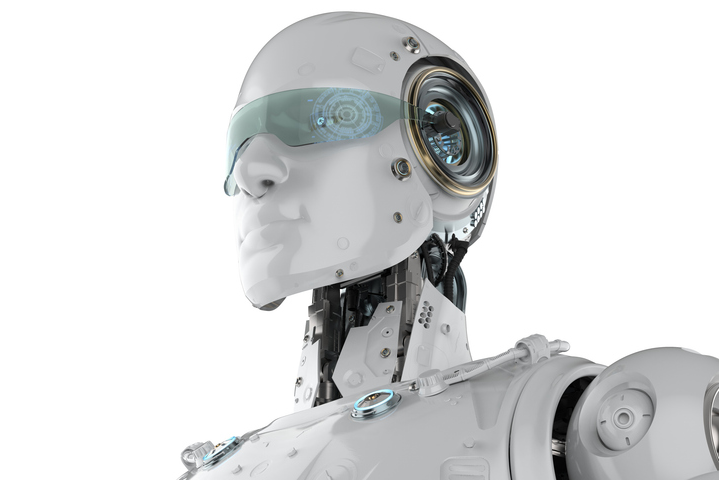
In the fourth part of our coverage of IT trends in 2026, we look at the return of smart glasses and the rise of humanoid robots.
When Meta released its new AI-enhanced smart glasses last October, many minds travelled back to Google Glass, the search giant’s abortive venture into the same territory a decade previously.
A lot has changed in 10 years, most significantly AI. Meta’s smart glasses use AI to deliver contextual information, provide descriptions of objects in view and – potentially and very controversially – facial recognition, whereas Google Glass was limited to basic augmented reality, recording and voice-activated features.
Meta’s technology is distributed through its partnership with glasses-maker EssilorLuxottica, with its Ray-Ban and Oakley brands offering a range of lenses and options. Features include photo and video, including live-streaming, voice and touch controls, open ear audio, live translation and object recognition, integration with online services and smartphones, and features for blind and partially sighted users.
EssilorLuxottica said it sold more than 7 million Meta AI glasses last year, compared with just 2 million for earlier models in 2023 and 2024 combined. Analysts say Google probably sold fewer than a million units of Glass in total before it was withdrawn from general sale in 2015.
In addition to its high price and short battery life, one of the main reasons for Glass’s relative failure was the concern over privacy. Wearers attracting the unwanted nickname “glassholes”, seen as invasive and creepy for potentially recording people without their knowledge or permission.
It’s hard to see how Meta, with its long history of privacy transgressions, will avoid similar controversy. Its glasses feature a small LED to indicating recording, but this can easily be obscured and there have already been complaints from people filmed without their knowledge with footage posted on social media. More concerning still is Meta’s reported plan to introduce facial recognition technology five years after a backlash caused it to remove the tech from Facebook. This is a privacy battle waiting to happen.
Meta’s won’t be the only AI glasses in town. OpenAI is reportedly developing its own smart glasses for release some time this year or early 2027, with Apple also expected to enter the field around the same time.
HSBC analysts estimate the smart glasses industry will grow to $200 billion by 2040, reflecting the early success of Meta’s AI wearables. It foresees 1,800% jump in users to 289 million by the end of the next decade, up from 15 million in 2025.
Clearly, a new age of consumer devices is upon us, but what do Computing readers think?
Our technically minded readers are often enthusiastic early adopters of new devices, and 4% of 138 IT leaders polled in January said they own a pair of smart glasses, with another 1% saying they have placed an order. Almost twice that (9%) said they plan to buy smart glasses this year, lending credence to the upward trajectory noted above.
Base: 138 UK IT leaders, Jan 2026
The robots are coming
Also primed for take-off are humanoid robots, which are making their way from labs and into the into the workplace. While flesh and blood humans still have the edge for most tasks, there's no doubting the direction of travel.
Advances in AI, actuators and batteries have cut production costs 30-fold over the past decade, according to Barclays Research, making humanoid robots increasingly viable for use in manufacturing, distribution, construction and healthcare. Barclays Research predicts the global humanoid robotics market, currently at around $2–3 billion, could reach $200 billion by 2035.
China is the world's leading producer in this nascent field, with vendors including AgiBot, UBTech and Unitree each churning out thousands of machines per year. Meanwhile Elon Musk has positioned Tesla’s Optimus humanoid robots division as its future core business, leaving its cars by the wayside. Other players include Amazon Robotics, Boston Dynamics, Figure AI and Agility Robotics.
Why humanoid?
Bipedal robots based on the human form are optimised to operate in workplaces designed to accommodate people-sized and people-shaped beings - unlike the fully automated “dark” factories created specifically for robot operation. Humanoid robots can navigate stairs, slopes and doorways and read information from notices and dashboards. While not as quick over the ground as a four-legged machine, being bipedal means they can be lighter, less complex and more agile. Likewise, having two arms makes them well suited for performing a range of human-like tasks including folding and box stacking; one arm would limit dexterity while three or more adds complexity and weight for limited returns.
With many countries (including China which is leading the field) struggling with labour shortages and ageing populations, humanoid robots are being lined up to fill gaps in employment, both for hard, repetitive, dangerous and tedious work, and also to help care for the growing number of the elderly or infirm. With the familiar form factor lowering the barrier of acceptance, it may not be too long before we see human shaped robots in medical facilities and care homes.
So, the robots are coming. In fact they are already here said a small number of respondents in the government, technology and manufacturing sectors.
Asked when humanoid or other autonomous physical robots or vehicles will make an impact in their sector, 5% said it’s already happening. A total of 10% said the impact will be felt in the next two years, while 19% didn’t see autonomous machines making a big difference in the foreseeable future. The latter were disproportionately in the education, business services, and financial services sectors.