
Russ Shaw
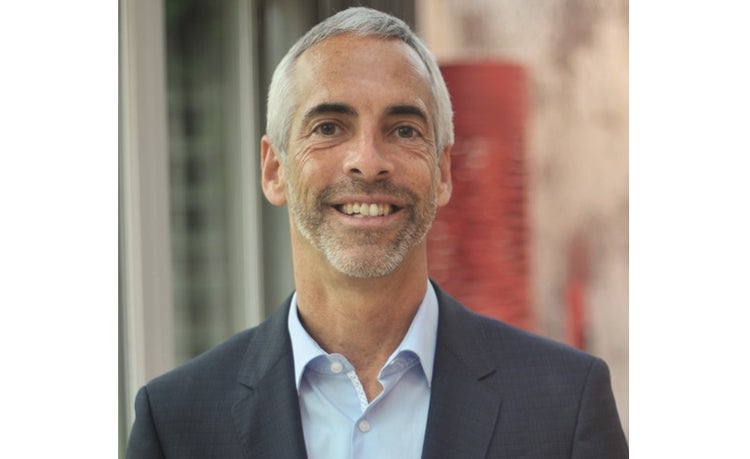
Part of the IT Leaders 100 - a list of the most influential IT leaders in the UK in 2025.
Russ Shaw CBE is the founder of Tech London Advocates and Global Tech Advocates. He launched Tech London Advocates in 2013 to support startups and scaleups, later expanding globally with over 40 hubs and 30,000+ members.
Russ was awarded a CBE in 2021 for services to technology and business. He is a founding partner of London Tech Week. He holds a BSc from Washington University in St. Louis and an MBA from Harvard Business School.
What's the most exciting part of your current role?
The opportunity to connect and empower an incredibly diverse and passionate global tech community. Through Tech London Advocates and Global Tech Advocates, I get to engage with innovators, entrepreneurs, and changemakers from all corners of the world.
Every day, I help build bridges between startups, investors, and policymakers, whether it's signposting someone to a mentor, supporting underrepresented founders, or helping scaleups navigate complex regulatory environments.
What energises me is the spirit of volunteerism that drives our network, 40,000 advocates across more than 30 countries, all working together for the greater good of the tech ecosystem. Knowing that a simple introduction or conversation can lead to funding, partnership, or inspiration keeps me motivated.
It's also deeply rewarding to see how our collective efforts contribute to the UK's leading global tech hub position.
What do you consider your greatest IT achievement of the last 12 months?
Expanding the reach and impact of Global Tech Advocates into regions often overlooked in mainstream tech narratives. We've launched new hubs in Brazil, Boston, Suzhou, Chile, Indonesia and Saudi Arabia, places where entrepreneurs face enormous structural and economic challenges but are creating incredible innovations in sustainability, agri-tech, and climate solutions. Helping shine a global spotlight on their work and bringing them into a larger collaborative network has been deeply fulfilling.
Additionally, I've worked to amplify efforts in UK regional clusters, from cyber tech in Northern Ireland to compound semiconductors in Wales, ensuring they receive the visibility and support needed to thrive. This kind of inclusive, international tech engagement not only promotes equity and innovation but also strengthens the global ecosystem as a whole.
What's the biggest challenge facing IT leaders today, and how are you tackling it?
One of the biggest challenges facing IT and tech leaders today is the urgent need to reskill and upskill our workforce for the digital and AI-driven future. As AI, green tech and quantum computing rapidly evolve, there's a growing gap between what companies need and the capabilities workers currently possess. I've been a strong advocate for a nationwide, collaborative effort between government, industry, and educators to provide at least six months of digital and AI training to every UK adult.
Beyond advocacy, I've supported practical initiatives, like encouraging companies to host open AI training for all employees and pushing for reforms that make it easier for workers to temporarily step away for retraining.
Closing this skills gap is essential, not just for economic growth but for ensuring that technology remains inclusive, empowering, and human-centred.
What piece of technology could you not live without, and why?
I rely heavily on video conferencing platforms and collaboration tools to stay connected with our global network of tech advocates. Being able to jump on a call with someone in Singapore or Belfast, share ideas in real time, and keep momentum across 30 countries is absolutely critical.
AI-powered tools like transcription services have made working together much easier, whether it's capturing meeting notes or improving how teams work together. They help with productivity, save time, and make global communication feel seamless.
In today's world, where building strong connections and working across borders is essential, these technologies aren't just nice to have, they're at the heart of how we operate every day.
What excites you most about the future of IT?
Its potential to solve humanity's biggest challenges, from climate change and food insecurity to health care and education. I'm constantly inspired by what I see emerging in the Global South, where startups are using agri-tech and clean energy to address systemic issues. Likewise, AI and quantum computing hold transformational potential if developed ethically and inclusively.
The convergence of tech with public good and the shift toward long-term, patient investment in innovation signal a new era. I'm also excited by the growing diversity of ideas and founders. More inclusive teams mean better technology that serves more people. If we embrace this future with open minds, global collaboration, and a commitment to equity, we can build not just better products but a better world.
What’s the strangest job you’ve ever had?
Before my deep dive into the tech ecosystem, I worked at Skype during its acquisition by Microsoft, my third tech exit. But one of the strangest and most pivotal transitions was when I decided to leave the corporate world entirely and launch Tech London Advocates. It wasn't a "job" in the traditional sense; I created a role for myself that didn't exist, entirely pro bono, based on an idea that we needed a grassroots, private-sector-led network to support the UK's tech scene.
People thought it was strange to start something with no salary, no business model, and no mandate. But it's turned into one of the most meaningful "jobs" I've ever had, and it continues to evolve as a global movement driven entirely by volunteers.
If you could instantly master one new skill, what would it be?
If I could master one skill instantly, it would be becoming a polyglot, someone who can speak multiple languages fluently. With GTA expanding across so many countries, being able to speak multiple languages would strengthen global connections, and I'm hoping AI will soon help make that possible.