
Rana Bhattacharya
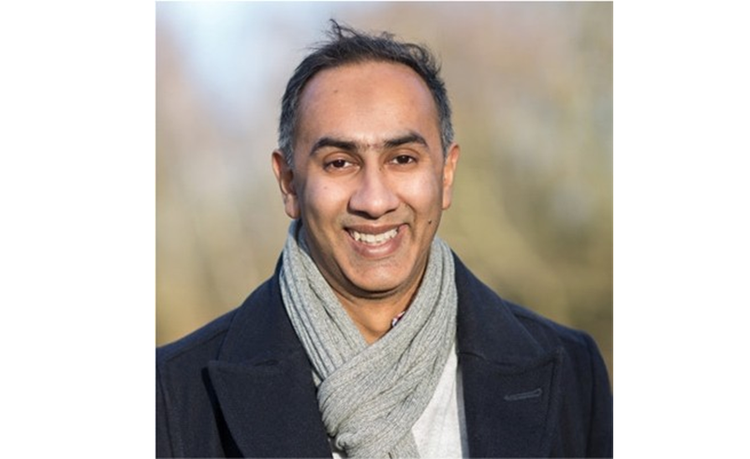
Part of the IT Leaders 100 - a list of the most influential IT leaders in the UK in 2025.
Recognised by Computing as one of the top 250 IT Leaders of 2019 and by Fintech Magazine as one of the top 100 Fintech leaders, Rana has over 20 years of experience in leading digital and IT transformation within the financial and professional services sector.
Prior to joining Cynergy Bank, he has held senior technology leadership roles at Atom Bank, Tesco Bank, Nationwide Building Society and Accenture.
Rana is also an Employer Board Member with TechSkills.org where he chairs the software engineering accreditation group, supporting the growth of technology skills in the UK.
What's the most exciting part of your current role?
I would say leading the Bank's digital transformation to realise the vision of being the human digital bank, where I am using technology to enhance the relationship between our customers and colleagues in the Bank.
This transformation is delivering a flexible IT architecture that will enable delivery of differentiating customer facing change at pace; new revenue opportunities; using technologies such as AI to enhance colleague productivity; and underpinning the strategic growth for the Bank whilst improving operational resilience.
This transformation is not just about technology but changing the culture and operating model of the Bank to truly drive value for our customers and colleagues, which has involved creating new innovative partnerships.
In essence, the role has offered me the opportunity to be at the forefront of digital innovation in the banking sector within an ambitious and fast-paced organisation, with a focus on creating a unique blend of technology and personalised service to our customers whilst enabling internal efficiency and growth for the Bank.
What do you consider your greatest IT achievement of the last 12 months?
I would say the sheer volume of change delivered by my team and I, which covers c. 50 projects and £11 million of cost savings.
Changes include going live with our new digital channels, delivering the Bank's first mobile banking app for both personal and business customers; launching five new financial products; launching a new treasury and risk platform; going into production with our first workloads on Google Cloud; bringing to life a new technology operating model requiring to replace key partner suppliers within the Bank for areas such as Information Technology Outsourcing and Security; and building a technology team that has a 'can do' culture to bring greater value to our customers and the Bank as a whole.
What's the biggest challenge facing IT leaders today, and how are you tackling it?
The challenge we face as IT leaders is balancing a complex and evolving landscape with budget constraints. We have increased sophistication and frequency of cyberattacks which in itself brings into focus the need to strike a balance between innovation and security; the need to deliver change at pace whilst exploring competitive advantage from emerging technologies; the need to deliver more projects and enhanced services whilst reducing costs; and the challenge to recruit and retain talent in a very competitive market.
The primary response I have taken to manage this complex landscape is to recruit a strong leadership team who can face into these challenges and maintain an internal and external perspective to enable the appropriate change within the Bank, whilst ensuring operations are kept safe and resilient.
What piece of technology could you not live without, and why?
For me, it's smartphones. They have become indispensable because they offer a seamless integrated experience that enhances various aspects of our lives and have changed the way we live since this technology has been introduced.
These devices offer a multitude of functions into one device, becoming a diverse communication tool, providing a wealth of information through access to the internet, productivity acceleration through the use of applications on the device and access to entertainment, all of which can be used whilst I am travelling.
My smartphone allows me to maximise the time I have available to perform actions such as keeping abreast of new worldwide developments even when travelling to work, including downloading training and news articles, watching my favourite entertainment show and keeping connected with friends and colleagues.
From a work perspective, I can remain productive whilst on go and be able to multi-task when in meetings to keep on top of multiple activities.
What excites you most about the future of IT?
We're living in a period of unparalleled innovation that is being brought to the hands of businesses and everyday people at a faster pace than ever seen before, which is dramatically changing our everyday lives. I believe the combination of artificial intelligence and quantum computing will revolutionise how we work and live - enabling us to solve complex problems that can help transform our society and break through known barriers.
Whilst being a force for good, I am sure there will be malicious uses of this technology, which in turn will require businesses and consumers to adapt to emerging threats.
What’s the strangest job you’ve ever had?
It was after I was promoted to a senior manager role and walked into a situation where I was asked to remediate a legal and commercial situation with a customer who was refusing to sign-off on design artefacts on a live platform, for which my employer would not provide warranty until the design was signed off - further complicated by the fact this was right before the Christmas break.
I ended up having a call with some very senior people a week before Christmas to explain how we would resolve the situation and spent the festive break recruiting a team to start in the new year to review and remediate these designs and achieve the sign off required, which in turn unlocked future projects for my employer.
If you could instantly master one new skill, what would it be?
I would like to be able to go back to my software engineering roots and be able to build cutting-edge applications in the AI and quantum computing space, as I believe these technologies will dramatically change the way we all live.
The applications are immense, from using AI to process and analyse vast amounts of data generated by quantum simulations to support solving problems in medical research to processing large amounts of data with AI to analyse and detect complex cyber threats at an unparalleled speed and accuracy.