
Michael Sage
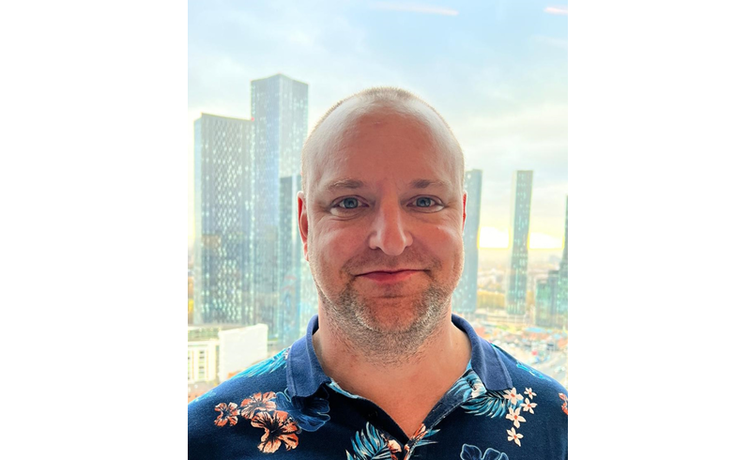
Part of the IT Leaders 100 - a list of the most influential IT leaders in the UK in 2025.
Michael has worked in IT for over 25 years, starting on the service desk and working a number of roles - now leading IT and digital for a local authority in Essex.
Michael has worked in the public sector for most of the last 20 years, although he has continued to work a number of roles in other sectors, including technical contract work, to “keep his hand in.”
Now, he is lucky enough to champion diversity and empowerment programmes and drive change for organisations and work as a NED for exciting cyber start-ups.
What's the most exciting part of your current role?
At Chelmsford City Council, I am privileged to work with an exceptional digital team. The team's expertise and dedication ensure minimal turnover, while their commitment to nurturing fresh talent shines through our annual recruitment of apprentices. These new team members give us innovative ideas, driving the council's continuous evolution and success.
Over time, I have built strong relationships with our directors, earning their trust. This trust empowers me to lead significant change initiatives with minimal resistance, ensuring smooth transitions and impactful outcomes.
I continue to strive to leverage collaborative opportunities, champion innovative solutions, and deliver meaningful change that benefits the wider community. The combined strength of teamwork and visionary leadership drives me to achieve excellence, inspire others, and contribute to the ongoing transformation of local government.
This includes being chair of the Microsoft Local Government Dynamics user group, I work alongside over 100 authorities to maximise value and foster shared learning experiences.
What do you consider your greatest IT achievement of the last 12 months?
Setting up the Local Government Dynamics Forum. We have only had two meetings so far, but have gone from zero to over 100 organisations attending. It is critical in the challenging economic environment that local government works together to reduce duplication, enable information sharing and drive efficiencies, and I am proud to be a part of this.
What's the biggest challenge facing IT leaders today, and how are you tackling it?
In local government there are two major challenges facing IT. One that impacts us locally, that of local government reorganisation, will mean combining systems and teams with between three and five different organisations. We are tackling this by starting the conversations now and engaging change leadership to ensure that the organisation is in the best shape possible.
The second, which affects the whole industry, is cybersecurity. I think we need to change the way we deal with this, including looking at new ways of training (including Cyber Escape Rooms) and better technical controls.
What piece of technology could you not live without, and why?
I hate to sound like a cliché, but it has to be my mobile phone or smart home technology. My mobile keeps me connected to everything, from email to being able to look up that guy you recognise on the TV show... You know the one, he was in that thing...
Smart home is my passion project, from lights to heating, I love it all. It helps keep my technical itch at bay while supporting open source and cool things.
What excites you most about the future of IT?
There are so many things that excite me about the future of IT, the first and in my mind the most pressing is getting more women and minorities into IT. Bringing as many different experiences into the industry is what we need now more than ever, which leads onto the next most exciting thing: AI, which is already changing the digital landscape and helping make things better (or worse) depending on how it is used.
Quantum computing is another area that really excites me, with the potential to solve complex problems and unlock previously unthought of possibilities.
What’s the strangest job you’ve ever had?
When I was working at Cefas, early in my career, we had a research vessel. The ship could be out at sea for up to three months collecting data, then it would come back to shore and we'd have to physically go on board to collect the hard drives, then drive them back to the lab, put them in an identical unit and make sure the data was available. This was back when 1TB of data was a lot, and potentially we'd have multiple terabytes to copy. We had some pretty cool solutions that I designed and implemented.
If you could instantly master one new skill, what would it be?
This is a tough one. I've always struggled to learn new languages (you can take this as spoken or development). I'd love to be able to master development and write my own programmes (beyond little scripts) and give back to the open source projects that I use.
I'd love to be able to read and speak more than just English. Although AI is helping here, I think it would be nice to get more contextual understanding. And who wouldn't want to understand more?