
David Green
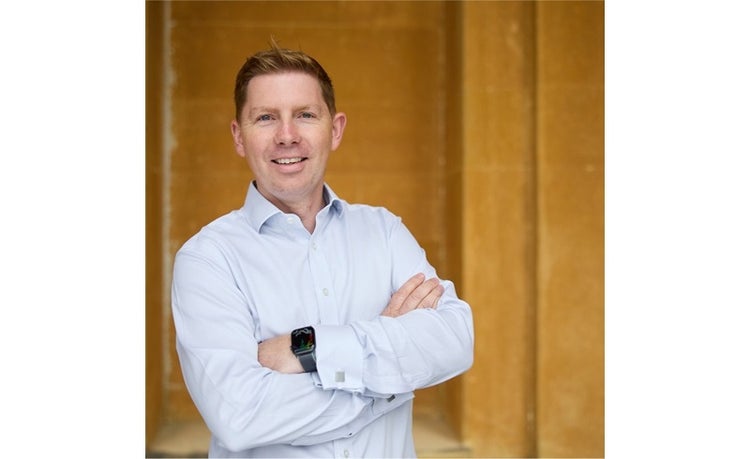
Part of the IT Leaders 100 - a list of the most influential IT leaders in the UK in 2025.
David is responsible for driving innovation at Blenheim to deliver value from the implementation of novel business methods and new concepts. His role involves building a culture of continual improvement and innovation, bringing together and contextualising novel datasets through a data and IoT network infrastructure, and identifying opportunities to enhance customer experiences.
David lead R&D at Blenheim, cultivating university partnerships that help fuse specialised knowledge with Blenheim's diverse landscape and practical challenges. His team has also initiated the Innovation and Continual Improvement network, fostering collaboration among sector leads to share expertise and address common challenges.
What's the most exciting part of your current role?
The most thrilling aspect of my role is navigating the remarkable diversity of Blenheim's operations. As a World Heritage Site welcoming visitors, a vast 12,000-acre estate with varied landscapes, and a dynamic real estate business, each day brings fresh and exciting challenges: from developing machine learning models for predicting visitor footfall to developing techniques to listen to the sound of soil. This variety keeps me thoroughly engaged and ensures my problem-solving skills are constantly put to the test.
The breadth of Blenheim's activities means I'm regularly collaborating with different teams, from tourism experts to foresters to ecologists. This cross-pollination of ideas and expertise not only enriches my own understanding but also leads to innovative solutions that benefit the entire estate. It's particularly rewarding to contribute to a business that seamlessly blends heritage preservation, environmental stewardship and commercial success, whilst maintaining its position as a cornerstone of the local community.
What do you consider your greatest IT achievement of the last 12 months?
Our greatest IT achievement over the past 12 months has been spearheading the development and implementation of our Smart Visitor Management System. This innovative solution uses advanced machine learning algorithms to predict visitor volumes and behaviour patterns across the estate, enabling more efficient resource allocation and enhanced visitor experiences.
The technical challenge of building accurate predictive models was significant. We incorporated multiple data streams, including historical visitor data, weather patterns, local events, and real-time footfall information. The system now provides reliable forecasts that help our teams make informed decisions about staffing levels, facility operations, and event scheduling.
However, the true achievement lies in successfully embedding this technology within our visitor operations department - our largest team. This required careful change management, including comprehensive training programmes, creating user-friendly interfaces, and demonstrating tangible benefits to gain buy-in from staff at all levels.
The result is a transformed operation where data-driven decision-making has become the norm, leading to improved visitor satisfaction and operational efficiency. This project showcases how cutting-edge technology can be effectively integrated into a heritage setting while respecting traditional values and enhancing the visitor experience.
What's the biggest challenge facing IT leaders today, and how are you tackling it?
The biggest challenge facing IT leaders in the heritage sector is navigating unique constraints, where funding limitations often clash with the critical need to preserve and protect our historic sites.
In the heritage sector, we frequently encounter projects that, while not directly revenue-generating, are essential for ensuring long-term sustainability and societal value. Our approach to tackling this challenge is multifaceted. We focus on developing innovative solutions that can demonstrate clear long-term benefits, even when immediate financial returns aren't apparent.
A key strategy has been forging strong partnerships with universities, creating opportunities that benefit both students and industry. These collaborations provide students with real-world experience while giving us access to cutting-edge research and fresh perspectives.
We've also found success in creating compelling business cases that highlight both tangible and intangible benefits. By quantifying the long-term cost savings of preventative measures and emphasising the broader impact on heritage preservation, we can secure support for critical initiatives that might otherwise be overlooked in traditional ROI calculations.
This balanced approach ensures we can continue investing in vital preservation projects while building a more resilient and sustainable future for our heritage sites, even within the constraints of limited resources.
What piece of technology could you not live without, and why?
My phone - predictable perhaps, but it's an invaluable gateway to continuous learning and innovation. As someone passionate about data and driving change, it keeps me constantly connected to new ideas and possibilities. This was perfectly illustrated during my last holiday. While reading The Hidden Life of Trees about how trees communicate underground, it sparked an idea: could we use microphones to listen to soil and understand what's happening beneath our feet? Rather than switching off, I found myself eagerly diving into academic papers and sketching out methodologies for testing this concept.
This perfectly exemplifies why my phone is indispensable - it's not just about staying connected, but about having a powerful tool for impromptu research and innovation at my fingertips. Whether I'm in the office or on a beach, it enables me to pursue those "what if" moments and transform them from passing thoughts into potential projects.
What excites you most about the future of IT?
Its boundless potential, even though we can't fully envision what that future will be. The rapid evolution of AI and our increasing ability to learn and adapt quickly is mind-blowingly exciting. Every day brings new possibilities for innovation and discovery.
At Blenheim, this takes on an even more profound meaning. We're custodians of 350 years of history, and the technology we're implementing today plays a crucial role in ensuring this magnificent estate continues to thrive for another 300 years. It's humbling to think that our current technological innovations - from predictive maintenance systems to environmental monitoring - are writing the next chapter in Blenheim's centuries-long story.
What makes this particularly thrilling is how we're blending cutting-edge technology with historic preservation. When you consider that we're using AI and machine learning to protect and preserve a World Heritage Site, it exemplifies how modern technology isn't just about the future - it's also about protecting our past and ensuring it remains vibrant and relevant for generations to come.
What’s the strangest job you’ve ever had?
Perhaps not strange but certainly unique: 30 years ago, I began my career as a Butler at Blenheim Palace. It was my first job and provided experiences that most could only imagine. Meeting royalty and working behind the scenes at such historic estate created memories that will stay with me forever. The role offered an extraordinary grounding in understanding the deep traditions and inner workings of a heritage property.
What's particularly remarkable is how life comes full circle. Despite leaving at age 21, that early connection to Blenheim likely played a significant role in securing my current position 15 years later. This journey - from serving in the Palace's private quarters to now leading its technological transformation - gives me a unique perspective on blending tradition with innovation. It's fascinating how that early exposure to Blenheim's operations and ethos created a foundation that would prove invaluable in my current role, albeit in a completely different capacity. The understanding of the estate's heritage and protocols gained as a Butler continues to inform my approach to implementing modern solutions while respecting the Palace's historic character.
If you could instantly master one new skill, what would it be?
It would be advanced climate modelling and prediction at a hyperlocal level. This expertise would be invaluable for understanding and preparing Blenheim's 12,000-acre estate for climate change impacts. The ability to accurately model how our diverse landscapes - from ancient woodlands to agricultural land - will respond to changing climate patterns would be transformative. This skill would allow us to make data-driven decisions about biodiversity enhancement, tree planting strategies, and land management practices that would maximise carbon sequestration and ecosystem resilience. I am working on this for 2025!