Clare Schramm Fergus
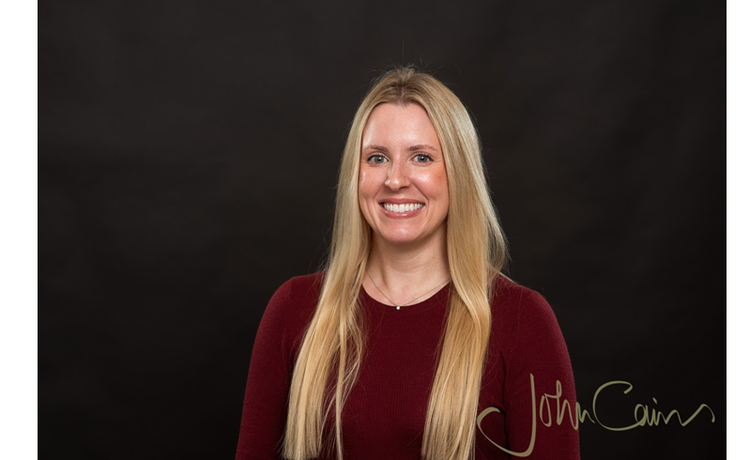
Clare Schramm Fergus is a dynamic engineering leader with a proven track record in architecting secure, high-performance hybrid cloud infrastructure and developing AI/ML systems. She has led global teams, managed >$100M P&Ls, and delivered award-winning innovation platforms across top firms including BT, Google, and IBM.
Clare holds engineering degrees from the University of Pennsylvania and Georgetown University, and is widely published on cloud technologies and sustainability.
What's the most exciting part of your current role?
Leading at the intersection of advanced AI/ML infrastructure and cloud engineering. I thrive on architecting and managing secure, high-performance hybrid cloud environments that enable cutting-edge research and innovation. At EIT, I'm driving the development of MLOps tooling and research platforms that empower AI researchers to accelerate their work. Previously at BT, I led a global team of over 600 and transformed how we operate through AI pipelines, observability, and sustainable compute strategies. I'm energised by the opportunity to shape the future of technology while delivering real-world impact at scale.
What do you consider your greatest IT achievement of the last 12 months?
My proudest achievement of not just the past 12 months but my whole career to date was winning Computing’s "Most Innovative Cloud Product" award for one of my platforms, BT's Network Cloud, in September 2024. This was an incredible honour and a testament to the hard work of myself and my team leading the transformation of BT's mobile network infrastructure into a secure, scalable, and energy-efficient cloud platform built on open source technology. Together we deployed critical national infrastructure on open source software and ran AI/ML pipelines at the edge. The resultant platform was highly performant, sustaining seven 9's of availability, cost- effective and future-proof.
What's the biggest challenge facing IT leaders today, and how are you tackling it?
Finding the right balance between rapid innovation - especially with AI and cloud technologies - and the need for strong security, scalability and sustainability. The pace of technological change is accelerating, and it's our job to help teams move fast without introducing unnecessary risk or inefficiency.
I'm tackling this by designing secure, high-performance infrastructure that enables safe experimentation, building out MLOps environments that empower teams, and driving automation and observability to make systems more resilient. I'm also focused on energy-efficient compute strategies to ensure we meet our sustainability goals while continuing to scale. For me, it is about enabling innovation with intention and discipline.
What piece of technology could you not live without, and why?
Indoor plumbing. Whilst it isn't the most bleeding-edge technology, it's critical to how we live and keeps us healthy. Plus, I couldn't imagine the amount of time and energy that simply obtaining water would consume from someone's day in the times before indoor plumbing. It's revolutionised our lives.
What excites you most about the future of IT?
What excites me most about the future of IT is the potential to solve real-world problems at scale using AI and advanced infrastructure. We're entering a phase where innovation cycles are faster than ever, and technologies like MLOps, edge computing and hybrid cloud are turning ambitious ideas into reality at incredible speed. I'm especially inspired by how these tools can drive impact in areas like healthcare, sustainability and national security. For me, the future isn't just about building powerful systems - it's about building ones that are ethical, inclusive and sustainable.
What’s the strangest job you’ve ever had?
If any of my prior roles stand out as somewhat different, it might be my early experience as a software engineer at Lockheed Martin, where I designed and developed mission-critical software for satellite command and control systems. That role was quite technical and specialised compared to my later leadership and strategic positions. I did programming in Embedded C and was very involved with the system hardware. My interest in hardware has carried forward into my future endeavours and remains why I chose to pursue roles in infrastructure engineering.
If you could instantly master one new skill, what would it be?
If I could instantly master a new skill, I would choose advanced neuroscience or computational biology. With my background in AI/ML systems and cloud infrastructure, mastering this field would enable me to bridge cutting-edge technology with life sciences, accelerating breakthroughs at the intersection of AI and healthcare - an area I'm passionate about in my current work at the Ellison Institute of Technology.