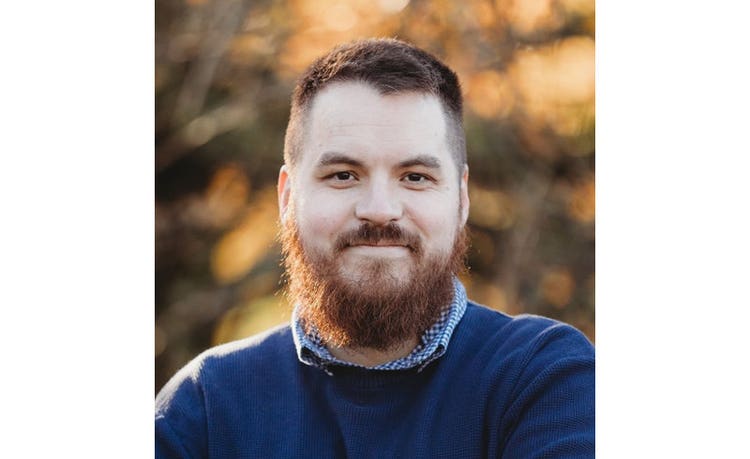
Ryan Gibson
Part of the IT Leaders 100 - a list of the most influential IT leaders in the UK in 2026.
Dr. Ryan Gibson is the Head of Division of Computing at the University of the West of Scotland, where he leads the strategic development of education, research and industry engagement across computing and digital technologies.
With a background spanning computing, electronic engineering, data science and AI, his work focuses on modernising curricula, improving student outcomes, driving industry skills and ensuring technology delivers real social and economic impact.
He is particularly interested in responsible digital innovation and developing future focused talent.
What's the most exciting part of your current role?
I lead a Division that sits at the intersection of education, research, industry and regional impact. I have the opportunity to shape the strategic direction of computing and IT with modernising programmes, investing in future focused areas such as AI, data science, cyber security and emerging technologies, and ensuring what we deliver is relevant, inclusive and industry aligned.
This provides direct, real world impact across the computing and IT sector: raising the quality of the student experience, widening participation, strengthening industry outcomes through genuine alignment and knowledge exchange, and building staff capability as educators, researchers and leaders.
What do you do in week one of a new project to avoid pain in month six?
I focus on clarity and alignment through communications above everything else. That means everyone involved is talking to one another and are explicit about purpose, success criteria, constraints, and ownership not just at a high level, but in practical, operational terms.
I invest time in early understanding the people, pressures and requirements to ensure appropriate challenge and support for operations. This helps address uncertainty or issues that typically raise as pain points later in a project.
What’s the part of your estate you most want to simplify in 2026?
Digital and data ecosystems! Particularly where platforms, processes and ownership have evolved organically over time. Complexity often creeps in through good intentions, but it creates friction points.
Simplifying doesn't mean reducing capability; it means rationalising platforms, clarifying data governance, and designing services around real user needs. Done well, simplification frees up capacity for innovation.
Excluding smartphones, what piece of technology could you not live without and why?
Personally, I need my earphones. Whether that is for focusing on audio books and podcasts, or music to reset and shake it off.
Professionally, a reliable laptop set up for my productivity tools and processes to allow seamless movement in my different roles and tasks including leadership, academic, practical research, drafting funding bids and staff mentoring.
What excites you most about the future of IT?
The ability to create meaningful, real world impact when applied thoughtfully and responsibly. Technologies such as AI, data analytics, edge and cloud computing are no longer abstract concepts as they are becoming fundamental enablers across society, from healthcare and sustainability to industry, education and public services. The current real world impact and accessibility have continuously leaped forward with step changes to the sector.
Along with that comes the need for responsibility with technology shaped with strong ethics, governance and inclusivity at its core. As computing and IT leaders, we're not just adopting new technologies; we're defining how they affect people, organisations and communities. Being part of that conversation and helping guide IT's role as a force for positive societal change is what makes the future of the profession so exciting to me.
What talent are you quietly proud of that would never show up on LinkedIn?
Juggling. Also, my ability to read a room and more importantly, what isn't being said. Whether it's a leadership meeting, a staff discussion or a student conversation, being able to spot uncertainty, stress or hesitation early makes a huge difference. This allows me to reposition questions, support and intervene constructively.
It's a skill that is not easily measured, but I find it really impactful for supporting people.
What’s your most-used keyboard shortcut or command that you wish everyone knew?
Ctrl + F. I know. It's basic, but criminally underused and moves towards Googling documents and code for supporting critical analysis. Honestly, anything that keeps my hands on the keyboards and out of menus is a bonus for staying in the flow.