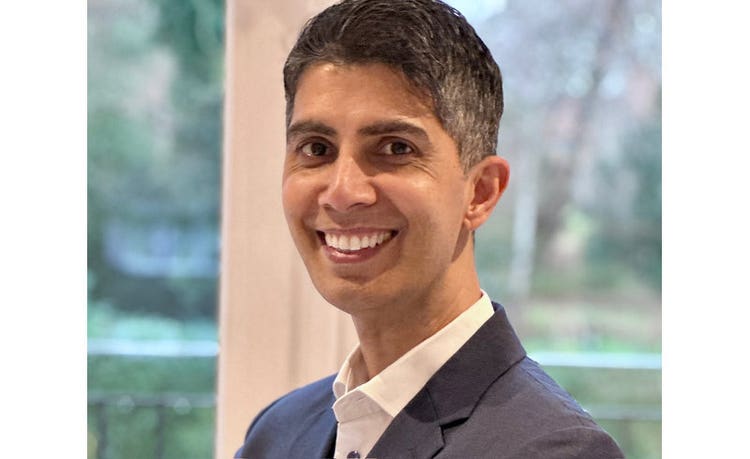
Pirbinder Benning
Part of the IT Leaders 100 - a list of the most influential IT leaders in the UK in 2026.
Pirbinder Benning is Chief Information Officer at Mundipharma, where he leads global technology, data and cybersecurity across a complex, regulated pharmaceutical environment.
With close to 20 years' experience in Life Sciences and Pharma, Pirbinder focuses on simplifying technology estates, embedding data and responsible AI, and aligning IT investment to business outcomes and patient impact.
Pirbinder is known for combining disciplined execution with thoughtful leadership, building trusted teams, and helping organisations navigate complexity with clarity and confidence.
What's the most exciting part of your current role?
Turning technology into a real competitive advantage in a complex, regulated environment. At Mundipharma, that means simplifying a highly intricate global footprint while simultaneously enabling growth, strengthening compliance, and improving patient outcomes.
I'm particularly energised by embedding data, automation and AI into everyday decision-making - not as experimentation, but as practical capabilities that improve execution, resilience and speed to market.
Doing this responsibly in a GxP setting, while modernising core platforms, improving cybersecurity and reducing structural cost, is challenging and rewarding. Ultimately, seeing technology move from support function to strategic enabler is what motivates me most.
What do you do in week one of a new project to avoid pain in month six?
In week one, I lock down clarity, ownership and outcomes. We align on the problem to solve, the value to deliver, and what success looks like, then make decision rights explicit.
I insist on a single accountable sponsor, clear scope with trade-offs agreed, and early identification of regulatory, data and change impacts. Adoption is planned from day one.
Get governance and incentives right early, and month six is execution - not firefighting.
What’s the part of your estate you most want to simplify in 2026?
In 2026, my priority is simplifying our core application and hosting estate - reducing duplication across ERP, CRM and local market solutions, and completing hosting rationalisation. Fewer platforms, clearer data ownership and greater reuse of global capabilities will cut cost and risk, while creating a stronger foundation for automation, AI and growth.
Excluding smartphones, what piece of technology could you not live without and why?
That's a hard one! For me, it's my laptop (or my robotic lawnmower!). It's the quiet space where I think things through and how I stay connected to people across the organisation, listening, learning and collaborating. In a busy leadership role, that combination of focus and connection is something I genuinely value every day.
What excites you most about the future of IT?
IT is finally shifting from running systems to shaping outcomes. With trusted data, automation and responsible AI, we can strip out friction, speed up decisions and let people focus on what truly adds value.
The real excitement isn't the technology itself - it's using it to simplify complexity, raise performance, and make organisations more resilient and human-centred, even in our highly regulated environment.
What talent are you quietly proud of that would never show up on LinkedIn?
I'm proud of my ability to notice what's not being said. In meetings or difficult moments, I tend to pick up on hesitation, fatigue, or uncertainty before it's voiced. I've learned to slow down, create space, and ask the question that helps someone say what they're really thinking.
It's not a technical skill, and it's taken time (and a few mistakes) to develop. But it's helped me build trust, support people through pressure, and make better decisions together.
What’s your most-used keyboard shortcut or command that you wish everyone knew?
CMD+ Z - not just for undoing mistakes, but as a reminder that it's okay to re-think and try again, as well as avoid making hasty email replies! If more people trusted "undo", we'd see braver thinking and fewer defensive decisions.