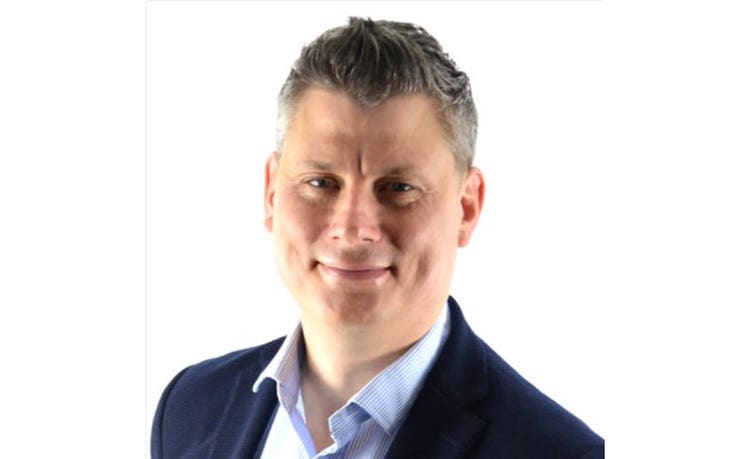
Jonathan Ritchie
Part of the IT Leaders 100 - a list of the most influential IT leaders in the UK in 2026.
Jonathan Ritchie is the CIO, SIRO and Director at Mastercall Healthcare, where he leads digital strategy, cyber resilience, innovation and technology services across a 24/7 urgent and primary care environment.
Jonathan’s career has included roles in oil and gas, military operations in the Middle East, and more than 12 years in senior leadership within the NHS.
At Mastercall Jonathan has focused on transforming technology into a strategic growth function, helping build a 90% cloud-based estate and launching AI and automation programmes such as Project NEXUS. He also provides digital leadership across the Greater Manchester Urgent Primary Care Alliance.
He is passionate about developing people, leading change and delivering meaningful results.
What's the most exciting part of your current role?
Being able to help people grow while knowing the work we do can make a real difference for patients every day. I get a huge amount of satisfaction from developing the team; that may be helping someone step into a leadership role, supporting qualifications and training, bringing new talent into the team, or giving people the chance to lead projects and build confidence. Watching someone grow in ability, experience and self belief, then go on to make a bigger impact, is one of the most rewarding parts of leadership.
I also enjoy creating an environment where people feel trusted, valued and able to do their best work. Strong teams do not happen by accident. They need clear direction, support, encouragement. Being able to shape that culture and see people thrive is something I value greatly.
The other side of the role is knowing that good digital services help patients every day. In a 24/7 urgent and primary care setting, reliable systems, secure access, responsive support and simpler processes all help frontline colleagues focus on care. When you invest in people and give them the right tools, they can achieve great things, and that ultimately leads to better care for patients.
What do you do in week one of a new project to avoid pain in month six?
I focus on clarity, ownership and realism. Most pain in month six comes from issues that existed in month one but were not dealt with early enough.
First, I make sure the purpose is clear. Everyone should understand what problem we are solving, why it matters and what success looks like. If that is vague at the start, delivery usually drifts later.
Second, I confirm ownership and decision making. Named leads, responsibilities, governance routes and escalation points need to be agreed early. Projects often slow because nobody owns key decisions.
Third, I challenge timescales, resource assumptions and dependencies. Over-optimistic plans create future pain. I would rather have an honest plan in week one than a failing plan in month six.
Fourth, I identify risks immediately. Supplier delivery, internal capacity, technical constraints, change readiness and stakeholder engagement should all be surfaced early and tracked properly.
Fifth, I focus on alignment. Sponsors, users and delivery teams need to be working to the same outcomes.
Finally, I establish rhythm through weekly checkpoints, clear actions and visible milestones. In simple terms, week one is about facing reality early so month six is about progress, not recovery.
What’s the part of your estate you most want to simplify in 2026?
The internal service and application landscape that has grown over time through separate systems, manual workarounds and duplicated processes. Many organisations are strong on frontline systems but carry unnecessary complexity in the back office. That creates cost, delay and frustration.
My focus is to reduce that complexity by moving toward a more joined up, digital first operating model. This means consolidating legacy tools, reducing overlapping platforms, standardising workflows and creating a single front door for colleague support through HALO One. Instead of requests sitting in email inboxes, spreadsheets or disconnected systems, services should be visible, measurable and easier to access.
I also want to simplify identity and access management so colleagues can move between systems more easily and securely. Alongside that, I want clearer data flows and better reporting rather than information being spread across multiple sources.
Simplification is not just about technology reduction, it is about making work easier for people and freeing teams to focus on higher value activity. If we can remove friction internally, we improve productivity, strengthen governance and create more capacity to support patient facing services and future innovation.
Excluding smartphones, what piece of technology could you not live without and why?
My noise-cancelling headphones. They are one of those items you do not fully appreciate until they become part of your daily routine, and now I use them constantly.
In my role, the day can move quickly between meetings, operational calls, supplier discussions, strategy work and unexpected issues. Headphones help me stay focused wherever I am, whether that is in a busy office, travelling or moving between sites. Sometimes the biggest challenge in a senior role is simply finding space to think clearly, and they help with that.
They are also important for communication. A large part of modern working takes place through virtual meetings, and clear audio makes a real difference. Good conversations save time, avoid misunderstandings, and help maintain strong working relationships with colleagues, partners, and suppliers.
I also use them for learning. During travel or quieter moments, I can listen to podcasts, webinars, and industry updates. It is an easy way to keep learning when time is limited.
They help me concentrate, communicate well and make better use of time. For something small, they make a big difference every single day.
What excites you most about the future of IT?
The chance to use technology to make a real difference in healthcare, while also opening new opportunities for growth/ innovation. IT is no longer only about keeping systems running. It now has the ability to improve services, raise productivity and help organisations adapt faster.
In healthcare, the opportunity is huge. AI, automation, and better use of data can reduce admin, improve access to care, support quicker decisions, and give clinicians more time to spend with patients. With demand rising and workforce pressures continuing, technology can play a major part in helping services cope and improve.
I am particularly interested in building smarter AI layers around existing systems. Many organisations already have core platforms in place, but they are not always easy to use or making full use of their data. Adding intelligent tools such as automation, reporting, virtual assistants and predictive insight can unlock far more value without replacing everything.
There is also a strong commercial opportunity. Organisations that build digital capability and specialist expertise can create new services, partnerships and income streams.
What excites me most is that the future of IT combines purpose with opportunity. Improve health services, solve real problems and build stronger organisations at the same time.
What talent are you quietly proud of that would never show up on LinkedIn?
Spotting potential in people before they fully see it in themselves. Throughout my career, I have often been able to recognise when someone is ready for more responsibility, capable of stepping up, or has strengths that have not yet been fully used. That might mean giving someone the chance to lead a project, encouraging them into management, supporting further qualifications, or simply backing them at the right moment when they need confidence.
I have always taken genuine satisfaction from seeing people grow, develop belief in themselves and go on to achieve more than they expected. In many organisations, talent can be overlooked because people are busy, modest or not the loudest voice in the room. Some of the best people do not always promote themselves.
I think one of the most valuable things a leader can do is notice those individuals and create opportunities for them. I am proud of it because the impact lasts far beyond any single project or meeting. Systems get replaced and strategies change, but helping someone progress in their career can alter the direction of their working life.
It is not something easily measured, but it is one of the leadership qualities I value most
What’s your most-used keyboard shortcut or command that you wish everyone knew?
Alt + Tab. It is simple, but it is one of the best ways to work quickly and stay organised. In a normal day I move constantly between emails, Teams chats, spreadsheets, presentations, dashboards and web pages. Alt + Tab lets me switch instantly between open windows without losing focus or wasting time searching across the screen.
It is particularly useful during meetings when you need to move between notes, documents and live information quickly. Instead of clicking around looking for the right file, you can move smoothly and stay engaged in the conversation.
I wish more people used it because many lose time every day through unnecessary mouse clicks and screen searching. It may only save a few seconds each time, but across a week that becomes a meaningful amount of time.