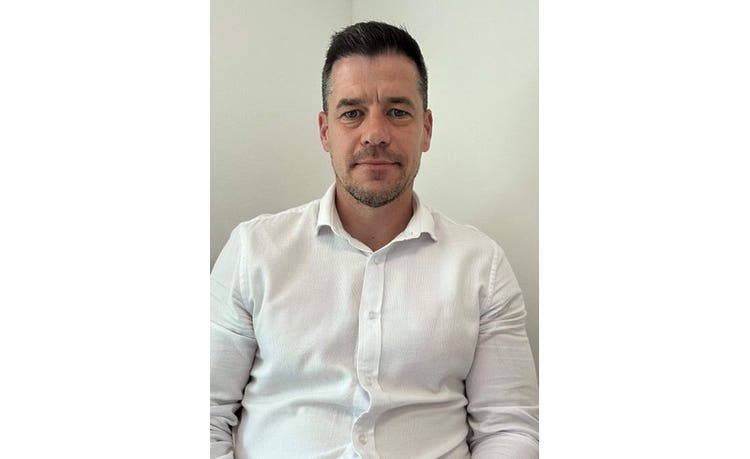
Alex Farr
Part of the IT Leaders 100 - a list of the most influential IT leaders in the UK in 2026.
Alex is a Group Chief Technology Officer with over 25 years of leadership experience across digital transformation, cyber resilience and platform modernisation. Operating at board level, he aligns technology strategy directly to growth, risk and people outcomes.
Alex is known for his people-first approach, focusing on building sustainable internal capability while delivering measurable business value. He is a Chartered IT Professional, a Fellow of the BCS, and a long-standing contributor to the tech community.
What's the most exciting part of your current role?
The opportunity to build things that genuinely matter while helping people grow along the way. I am fortunate to work across strategy, delivery and culture, which means I can see how ideas turn into real outcomes for the business and for colleagues.
Developing people is central to that. I take real satisfaction in creating environments where individuals feel trusted, safe to learn, and confident to step into bigger roles. Whether that is through modern delivery practices, mentoring, or simply backing someone to lead when it matters, the human progress is as important to me as the technical one.
Watching teams grow in confidence and capability, and seeing technology become a positive force in their working lives, is what keeps the job energising.
What do you do in week one of a new project to avoid pain in month six?
I focus on clarity early. In the first week I am less interested in solutions and far more interested in outcomes, expectations and shared understanding. I work with sponsors and teams to be explicit about what success really looks like, what will change if we get it right, and what we are deliberately not doing. I make sure ownership is clear, decision rights are understood, and that we agree how progress and risk will be talked about openly.
That investment pays dividends later. Most project pain comes from misaligned expectations rather than technical failure, so getting alignment early creates trust, reduces rework, and makes difficult decisions much easier when trade-offs inevitably appear.
What’s the part of your estate you most want to simplify in 2026?
Finance processes. Over time they tend to accrete complexity through workarounds, historic behaviours and system overlap. The result is friction for teams, slower decision making and unnecessary risk. Simplifying finance processes is not about removing control, it is about creating clearer flows, better data quality, and more confidence for leaders.
In 2026 my focus is on reducing duplication, standardising where it genuinely adds value, and making finance information easier to understand and trust. Done well, this frees up time on both sides of the relationship and allows finance and technology together to support better commercial decisions rather than simply processing activity.
Excluding smartphones, what piece of technology could you not live without and why?
My Apple Watch. It keeps me honest in ways nothing else does. I am obsessed with steps, heart rate and closing my rings, not because of the data itself but because of what it represents. It nudges me to move, to pause, and to look after my own energy.
Leadership can be all consuming and it is easy to neglect the basics. The watch gives me constant, simple feedback that helps me stay balanced, present and healthy over the long term. That personal discipline directly feeds into how I show up for my team.
What excites you most about the future of IT?
What excites me most is IT becoming more human rather than more technical. The future is not about bigger systems for their own sake, it is about removing friction, freeing up time, and helping people make better decisions. With AI, automation and platforms maturing, IT has a real opportunity to move from problem solver to capability enabler. Done responsibly, technology can amplify judgement, creativity and collaboration rather than replace them. I am excited by a future where IT leaders are measured as much by the confidence and capability they build in others as by the systems they deliver.
What talent are you quietly proud of that would never show up on LinkedIn?
My ability to listen without judgement. It rarely appears on a profile, but it shapes almost everything I do. Creating space for people to be honest, uncertain or even wrong is fundamental to trust. I work hard to stay calm under pressure, to separate the person from the problem, and to make others feel heard even when decisions are difficult. That human side of leadership is invisible on paper, but it is often what determines whether teams thrive or simply cope.
What’s your most-used keyboard shortcut or command that you wish everyone knew?
Alt + Print Screen. It captures exactly what you need, nothing more. It saves time, avoids clutter, and keeps communication focused. It is a small thing, but like many small habits, it removes friction from everyday work.