Kirsty Rogers
'The future of tech isn't just about machines - it's about meaning, mindset, and the people behind the code’
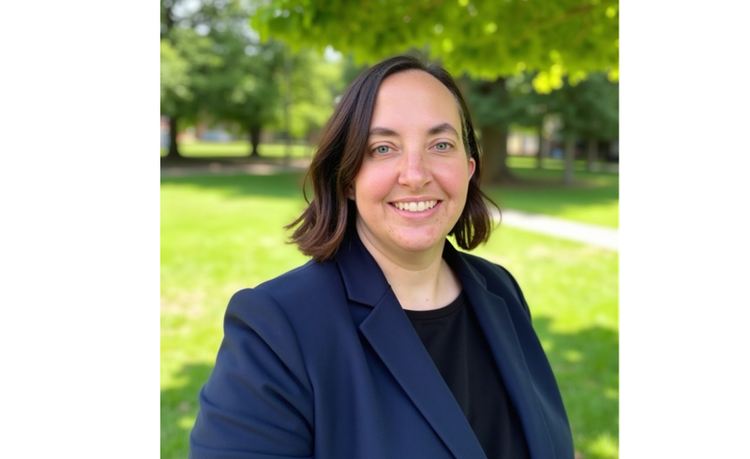
Part of the Tech Women Celebration 50 – a curated list of some of the most inspirational women working at all levels of tech
Kirsty is an award-nominated educational leader and Head of Computer Science at Millfield School, where she is transforming the perception and power of computing education - especially for girls and neurodiverse students.
What does the nominee consider her biggest achievement to date?
Her biggest achievement to date is leading a bold, systemic coaching culture shift in a globally renowned school, embedding psychological safety, self-efficacy, and student voice at the heart of academic development.
A former software developer turned educational innovator, Kirsty has pioneered a neurodiversity-informed coaching model that trains staff and students to engage in reflective, strengths-based conversations - replacing top-down instruction with curiosity, autonomy, and empowerment. By 2026, every key academic interaction will be underpinned by coaching practice, transforming not just how Computer Science is taught, but how learning itself is understood.
She has also:
- Designed and implemented a multi-year strategic plan to develop executive functioning, personal effectiveness, and academic agility through digital education.
- Embedded AI, cybersecurity, and real-world computing into a reimagined curriculum aligned with national priorities and future skills.
- Led the department to national recognition, including shortlisting for the Edufuturist Educator of the Year Award (2025).
Kirsty's impact reaches beyond the classroom. Her CREST award projects inspire students to use AI and tech for social good, and her role as a postgraduate student of Organisational Psychology fuels cutting-edge action research on coaching, leadership, and inclusion. She is currently working towards creating a national support network for neurodivergent educators.
Her work aligns with the Tech Women Celebration 50's vision: using technology not just to innovate, but to include, uplift, and revolutionise systems.
Whether transforming classrooms or influencing national debate on computing education, Kirsty is reshaping what it means to be a tech leader: one who listens, who builds others up, and who dares to do things differently.
What is the most significant challenge the nominee has overcome?
Reshaping the culture and curriculum of Computer Science within a school and sector where it is often misunderstood, underprioritised, or treated as a niche subject for a narrow demographic.
When Kirsty took on the leadership of Computer Science at Millfield, the department was underperforming, lacking strategic direction, and struggling with both recruitment and engagement, particularly among girls and neurodiverse learners. The perception of the subject as "too hard," "too masculine," or "only for coders" was deeply embedded in student, staff, and even leadership mindsets. Kirsty saw this not as a reason to shrink the department, but to reimagine it.
She faced a dual challenge: to win hearts and minds internally (among staff, parents, and senior leaders), and to externally position Computer Science as a subject of relevance, creativity, and opportunity. She did this through a multi-pronged transformation: curriculum redesign aligned to real-world tech challenges; embedding AI, cybersecurity, and coaching into learning; and developing a forward-thinking strategic plan focused on engagement, equity, and innovation.
At the same time, she addressed cultural barriers. She launched initiatives that connected girls and neurodiverse students with mentors in tech, built extension programmes that aligned with Oxbridge and Ivy League pathways, and introduced CREST and AI-based competitions that reframed success as creativity and curiosity—not just exam performance.
The challenge of shifting deep-rooted narratives about tech in education is not one of pedagogy alone - it's a battle of vision, persistence, and influence. It required Kirsty to not just teach tech, but to lead it, live it, and communicate its purpose across a whole school ecosystem.
Today, Millfield's Computer Science department is thriving. Student numbers are up, outcomes have improved, the subject is increasingly diverse, and the department is recognised as a national leader in tech education innovation. Kirsty has turned the challenge of low visibility and outdated perceptions into a springboard for transformation.
Tell us something about the nominee that people would find surprising?
Despite being a tech leader and strategic thinker, Kirsty's superpower isn't coding - it's connection. What might surprise people is that she's building one of the UK's most forward-thinking Computer Science departments not just on algorithms and AI, but on coaching psychology, emotional intelligence, and neurodivergent insight.
Currently completing a Master's in Organisational and Business Psychology, Kirsty blends human behaviour science with tech leadership, developing a model where students and staff are coached to think independently, reflect deeply, and lead authentically. She believes a resilient tech ecosystem starts with resilient humans.
Also surprising: she's as comfortable talking machine learning as she is quoting Jung, running a house full of boarding girls, or refereeing a heated Year 9 debate on whether AI will ruin humanity.
She's built AI chatbots with students, launched esports initiatives, and helped shape national strategy on computing - but her favourite moments are still when a quiet student finds their voice in a code review or a nervous Year 12 girl says, "I want to do this at uni."
Kirsty's work proves that the future of tech isn't just about machines - it's about meaning, mindset, and the people behind the code.