Pentagon breach exposes military and civilian personnel records
Nearly 300 million records exposed for nine months
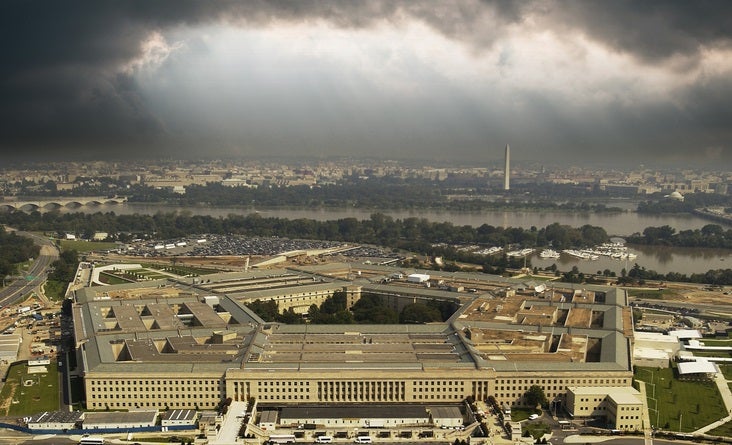
A data breach involving a US Department of Defense personnel database has exposed records pertaining to nearly 3 million people, including military personnel and civilian employees.
According to a US defence official who spoke to ABC News, the breach affected 2.76 million living individuals and a further 294,000 people who have died.
The compromised information includes Social Security numbers and details of job roles.
The official said an unauthorised person or group accessed the Defense Manpower Data Center (DMDC) information system between October 2025 and July 2026.
"Upon discovery, DMDC immediately remediated the vulnerability," the official said, adding that there was currently no evidence the exposed information had been misused.
The DMDC is one of the Pentagon's key record-keeping units, maintaining more than 60 million records relating to military and civilian personnel and their families.
Its responsibilities include determining eligibility for benefits such as healthcare and retirement, as well as managing the identities of employees, service members, and contractors.
The centre also provides credentials, including smart cards and passwords, that allow authorised individuals to access Pentagon computer systems and military bases.
"Security of identity information is paramount," the DMDC says on its website.
Collin Hogue-Spears, senior director of solutions management at cybersecurity firm Black Duck, warned that the combination of personal identifiers and occupational information could make the stolen records particularly valuable.
"The occupational specialty that DMDC's letter lists for some people turns an identity-theft list into a roster an adversary can search by role. A Social Security number identifies a person. An occupational specialty tells an adversary why that person matters.
"Missing encryption is the headline; the harder failure is that Social Security numbers were reachable through a DMDC file-sharing system for nine months. Encryption at rest stops a stolen drive, not someone reading files through the system that decrypts them. DMDC has not said which kind of flaw it patched," Hogue-Spears added.
Breach adds to federal security concerns
The incident is the latest in a series of breaches involving sensitive personal information belonging to US government workers.
Earlier in September, the FBI disclosed a breach of its recruitment website, FBIJobs.gov, which was attributed to the hacking group ShinyHunters.
The group initially threatened to publish information including FBI employees' names, home addresses, Social Security numbers, emergency contact information, and other details.
It demanded that the FBI withdraw a statement it issued about the group in May, when the agency warned that the ShinyHunters used harassment tactics and could exaggerate claims about stolen information as part of extortion attempts.
The group rejected those allegations.
On Monday, ShinyHunters said it would no longer release the data as previously threatened. It described the incident as a marketing campaign intended to protect its business and counter what it called disinformation.
The FBI has begun notifying affected employees and confirmed that the compromised recruitment system was unclassified. It has also advised potentially affected staff to remain vigilant and avoid answering suspicious telephone calls.
It has also told ShinyHunters members to turn themselves in, after the arrest of one of the group’s alleged leaders in the Netherlands.
Internal briefings are being arranged for employees whose information may have been exposed.