Met Police wins 12-month Palantir extension
Decision comes shortly after announcement of live facial recognition expansion
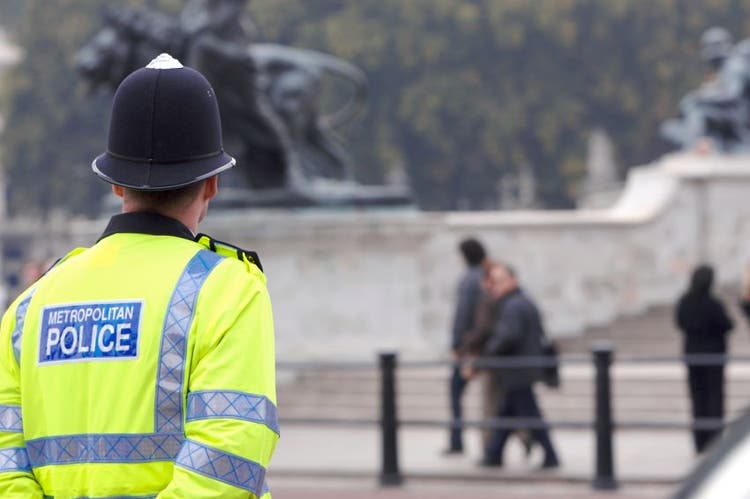
The Mayor’s Office for Policing and Crime (Mopac) has granted the Metropolitan Police a 12-month extension to a pilot project with Palantir.
The extension enables the Met to assess procurement over the course of the next 12 months.
The development comes barely a month after the mayor of London, Sadiq Khan, blocked a £50 million deal between the Met and Palantir to automate intelligence analysis in criminal investigations.
The decision was not made on the basis of the technology or Palantir as a company but on a “clear and serious breach” of procurement rules.
Palantir’s lawyers subsequently wrote saying they intended to challenge the decision in court, and UK CEO Louis Mosley conducted several broadcast interviews to argue against the decision.
Met assistant commissioner Rachel Williams said yesterday: “We are pleased Mopac has approved the Met to continue to use this capability for a further 12 months to strengthen professional standards, root out misconduct and increase public confidence.
“We will continue to work with Mopac over procurement of technology at pace for the longer term. This is to support both our work on raising standards and our ambitions to use the technology to streamline administrative processes, close budget gaps and free up officers to police the streets of London.”
A spokesperson for the mayor of London said: “The deputy mayor has required the Met to run a new procurement process, open to a wide range of potential suppliers, to choose the long-term provider of this capability.
“Recognising the Met’s current needs, the Met may extend the current pilot to retain existing capability while this procurement takes place.”
Live facial recognition use expanded
Mopac’s decision comes hot on the heels of the announcement by the Met that it will be expanding it use of live facial recognition (LFR) cameras, first into London’s West End and Soho by the end of 2026 and then into a further six areas next year.
The new cameras will be fixed and will parse the face of every passer-by to compare it to a watchlist of approximately 17,000 people.
The Met has been trialling the technology at big sports events, last month’s ‘Unite the Kingdom’ march and via a static camera in Croydon, which the Met says it has been successful. Data was provided to back this claim. The force says 173 arrests were made during a six-month pilot, and only one person was wrongly identified out of 470,000 faces scanned. That person was allowed to go and not arrested.
The Met have emphasised that decision making about whether to arrest a suspect will remain a human decision.
Met commissioner Sir Mark Rowley said in a speech earlier this week: “Facial recognition is one of the most revolutionary technology advances in policing in recent years. Public confidence in this is clear – around 80% of Londoners support its use. That backing reflects a simple truth: it works.”