Interpol arrests nearly 6,000 fraudsters and seizes $293 million
Operation First Light 2026 dealt with romance scams, fraud and a fake police station

Law enforcement agencies in 97 countries, coordinated by Interpol, have made 5,811 arrests and intercepted $293 million as part of anti-fraud campaign First Light 2026.
The operation, which ran from 15th January to 30th April, is on a similar scale to HAECHI V in 2024, where 5,500 people were arrested and $400 million seized.
Unsurprisingly both campaigns focused on fraud, one of the most widespread and pernicious methods of cybercrime. This can include any scam that involves manipulating a victim to hand over money or sensitive information, like sextortion, impersonation and investment fraud.
Investigators examined 152,808 cases, closing 23,715 of them. They also identified 15,606 suspects as well as 142,000 victims, and went on to close 31,014 bank accounts.
As you might expect from an operation of this scale coming up against scammers’ twisted ingenuity, there were some particularly standout stories.
Perhaps the most developed scam involved a group in Eswatini, where authorities seized – as well as 240 electronic devices and a cache of foreign currency – a full replica of a Brazilian police station.
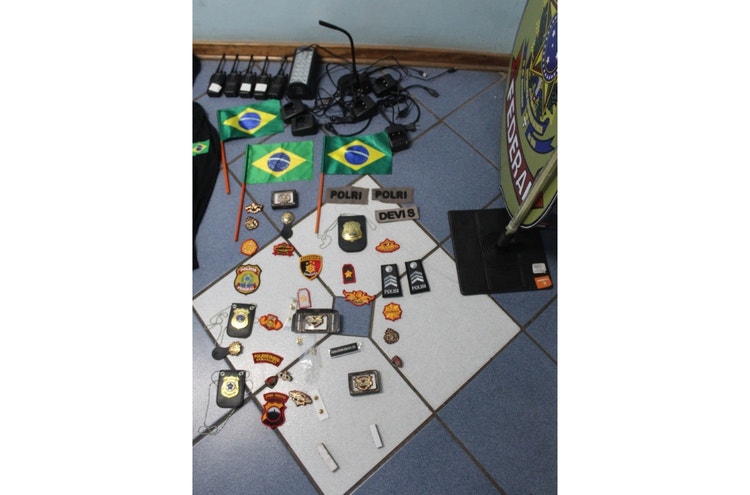
Using fake uniforms, signage and equipment, the scammers would impersonate Brazil’s Federal Police on video calls, tricking people into thinking they were victims of a crime and transferring funds for “safekeeping.”
And then there’s the case in Macau, China, where another group were imitating public officials – in this case, convincing a victim to transfer funds as part of a “fraud investigation.” Police were able to intervene before the individual lost almost $372,000, although no arrests were made.
In Thailand authorities made just two arrests, but the scale of the operation was wildly disproportionate: they uncovered a money laundering scheme that funnelled illicit funds from romance scams into various cryptocurrencies. One of the suspects, a 20-year old man, owned a digital wallet that had processed more than $122.5 million in 10 months.
These are all solid wins and represent money and stress saved for innocent victims – but scam losses continue to rise worldwide, making international cooperation ever more important.
Tomonobu Kaya, Director of Interpol’s Financial Crime and Anti-Corruption Centre, said, “Criminal syndicates exploit human psychology to manipulate their targets, and no nation can stay safe unless all countries are equipped and committed to jointly fighting back.”