UN negotiations on autonomous weapons end without breakthrough
Talks extended until 2028
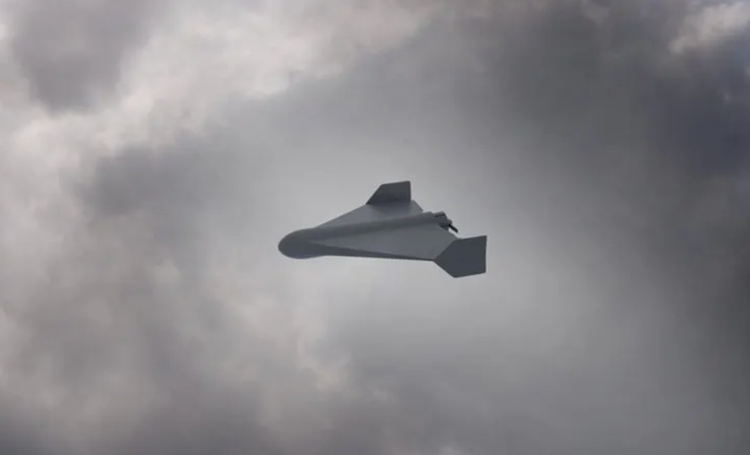
Efforts to prevent the development and deployment of autonomous weapons have suffered a setback after UN talks ended without agreement on a legally binding ban on machines capable of making life-and-death decisions.
Despite that, delegates from 128 countries attending the United Nations Convention on Certain Conventional Weapons (CCW) conference in Geneva agreed to begin developing an international instrument on lethal autonomous weapons systems, with work expected to continue until 2028.
The talks, which began on Monday, concluded early on Saturday following several hours of overnight negotiations.
The outcome has disappointed campaigners, who had called for a legally binding treaty to prevent the development and use of so-called killer robots.
Nearly 100 countries had backed calls for negotiations on a binding agreement. However, major military powers and weapons-producing countries, including the US, Russia and Israel, opposed the proposed mandate.
Campaigners criticise weakened agreement
The Stop Killer Robots coalition, which represents more than 300 organisations, criticised the outcome of the conference as inadequate.
"States adopted a watered-down mandate that fails to chart a clear path towards a legally binding instrument," the group said.
It added that although more than 95 countries had expressed support for a treaty, a small number of states had weakened the final agreement during the closing hours of negotiations.
"Machines shouldn't make life and death decisions," said Elizabeth Minor of Stop Killer Robots.
Civilian casualties and accountability
Lethal autonomous weapons systems use AI and other technologies to identify, select and attack targets without requiring a human to make the final decision.
AI is already widely used by militaries to analyse large volumes of intelligence, identify potential targets and automate certain weapon functions, including the guidance of missiles and drones.
However, campaigners warn that allowing machines to make life-and-death decisions could increase the risk of civilian casualties and make it harder to establish who is responsible when something goes wrong.
The CCW is a UN treaty involving 128 states that seeks to restrict weapons considered excessively harmful or indiscriminate.
Its existing protocols prohibit several types of weapons, including incendiary weapons, certain undetectable fragments and laser weapons designed to cause permanent blindness.
Major military powers remain divided
Aurel Sari, an expert in international law at the University of Exeter, said autonomous weapons were already subject to existing international humanitarian law governing armed conflicts but the challenge was agreeing on which types of autonomous weapons should be prohibited.
Supporters of a ban want to prevent weapons from selecting and attacking targets in ways their operators cannot predict or control.
Some countries rely on automated defensive systems that respond faster than humans can, including systems designed to intercept incoming missiles and protect warships.
A ban broad enough to address concerns about unpredictable weapons could also cover these defensive technologies, while a narrower agreement might fail to restrict systems that campaigners consider particularly dangerous.
Despite the lack of a binding agreement, campaigners insist there is still an opportunity to prevent autonomous weapons from becoming an established feature of modern warfare.
"I wouldn't say that we're too late to make rules. You can do this at any point," Minor said.
"And there is still time to have a meaningful response to this that can prevent things going down an even worse path, but that depends on the international community really acting now."