UK and Germany will sign security pact to counter Russian hybrid threats
Hostile operations are increasingly targeting businesses and democratic institutions
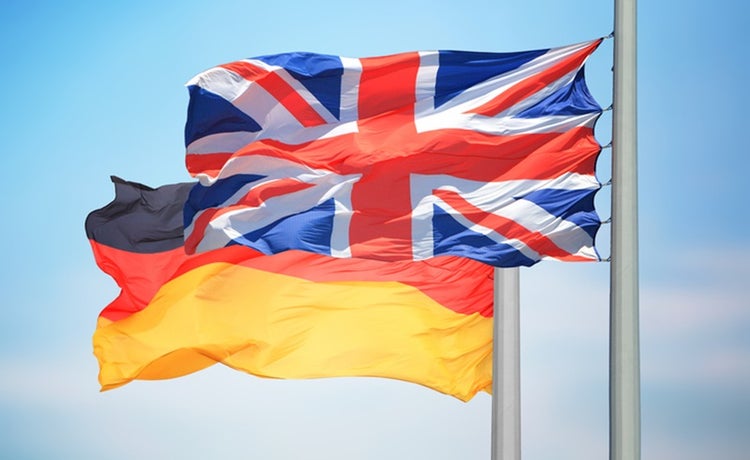
The UK and Germany are set to strengthen their security cooperation through a new partnership aimed at countering sabotage, cyberattacks and other hybrid threats.
The countries will share intelligence and coordinate their efforts to identify and disrupt threats to critical infrastructure, including attacks carried out through cyber operations and physical sabotage.
Prime Minister Andy Burnham arrived in Berlin on Thursday morning, where he was welcomed at the Federal Chancellery ahead of his meeting with Chancellor Friedrich Merz.
Mr Burnham said attacks on infrastructure, businesses and democratic institutions were becoming an increasingly immediate concern.
"They reach into people's homes and workplaces, and they are designed to make us weaker and more divided," he noted.
Russian hybrid operations
Mr Burnham's visit comes as European governments increase their focus on suspected Russian hybrid operations.
In August, a drone loaded with explosives was found near Ukrainian cargo planes at Leipzig airport, but it failed to detonate and was later defused.
Investigators suspect another drone collided with a nearby cargo aircraft, while a third was discovered near the airport 10 days later.
Germany's Interior Minister Alexander Dobrindt said the incident was consistent with what he called an established pattern of Russian hybrid operations across Europe. He also warned that Germany could be targeted again.
The incident has added to concerns that sabotage and other covert operations could threaten transport networks, military supply routes and other strategically important infrastructure across Europe.
Moscow has denied involvement.
Ukraine support and economic ties on agenda
In their first face-to-face meeting, Burnham and Merz are also expected to discuss the situation in the Middle East, continued support for Ukraine and disruptions to global trade routes, including the Strait of Hormuz.
The two countries will also host a UK-Germany regional growth forum, gathering business leaders from both nations to discuss investment, industrial co-operation and ways to ensure economic growth benefits communities in both countries.
Germany and Britain are Europe's two largest economies and major investors in defence. Germany is also Britain's second-largest trading partner, contributing about £155bn to the UK economy.
On Thursday, the two leaders also formalised the ratification of the Kensington Treaty, which commits the two countries to closer cooperation in science and tech, security, defence and economic growth.
Commenting on the new partnership, Ric Derbyshire, principal security researcher at Orange Cyberdefense, noted that geopolitical instability could lead to more frequent and serious cyberattacks, particularly against critical national infrastructure.
He warned the consequences could extend beyond cyberspace, with attacks potentially affecting physical systems and essential services.
"In the face of this, the only way to make a stand is through unprecedented information sharing and coordination with our allies. I hope, and expect, to see a continued uptick in global initiatives and public-private partnerships," he added.