Microsoft hikes Surface prices in UK amid global memory shortage
Prices have increased by between £170 and £220
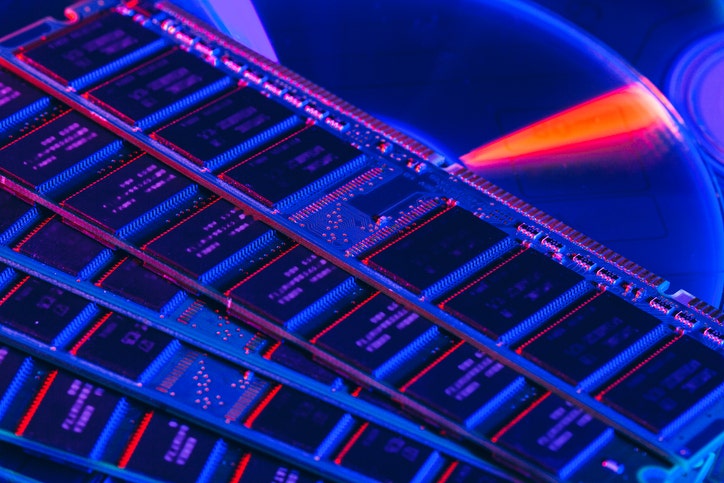
Microsoft has quietly increased prices across its Surface device range in the UK, as a global shortage of memory chips continues to push up costs for technology manufacturers.
The price rises, which have not been formally announced, affect all entry-level Surface models and bring them closer to mid-range pricing.
The 13-inch Surface Laptop now has a starting price of £1,099, up from £899 in February, while the 15-inch version has risen from £1,349 to £1,519.
Meanwhile, the 12-inch Surface Pro has jumped from £779 to £999, and the 13-inch model now costs £1,199, up from £1,029.
Overall, prices have increased by between £170 and £220 depending on the device.
The move mirrors sharper increases in the United States, where some configurations have reportedly risen by as much as $500.
Microsoft has increased prices across its entire range, pushing up the cost of premium models as well.
A fully specced 15-inch Surface Laptop with a Snapdragon X Elite processor, 64GB of RAM and a 1TB SSD now comes in at $3,649.
By comparison, a 16-inch MacBook Pro with an M5 Pro chip, the same memory and storage is priced at $3,299, offering notably stronger performance and a superior display.
A spokesperson for Microsoft said the changes were driven by rising component costs.
"Due to recent increases in memory and component costs, Surface is updating pricing on Microsoft.com for its current-generation hardware portfolio," the company says.
The latest price increases may also signal what lies ahead for future devices. New Surface models expected later this year are likely to maintain - or even exceed - current price levels if component costs remain high.
Datacentre demand driving shortages
The price hikes come amid what analysts describe as one of the most significant memory chip shortages in decades.
Demand for advanced memory, used in AI systems and cloud computing, has surged, with datacentres expected to consume more than 70% of global high-end memory supply in 2026.
Chipmakers have increasingly prioritised production of newer, high-performance memory such as HBM (high-bandwidth memory), reducing output of more widely used DRAM and NAND chips.
This shift has contributed to a sharp rise in prices, with memory costs increasing by around 50% in the final months of 2025.
Industry experts warn that the effects are spreading beyond computers, potentially impacting everything from smartphones to household appliances and cars.
The pressure is being felt across the entire electronics sector.
Manufacturers of laptops, Chromebooks and even smaller devices have reported higher production costs, while some companies have already adjusted pricing or reduced shipments. Even low-cost computing platforms such as Raspberry Pi have seen price increases.
Geopolitical tensions and rising transport costs have further compounded the issue, making it more expensive to manufacture and distribute hardware globally.
Consumers turn to refurbished devices
In Europe, higher prices are already changing buying habits.
The UK saw refurbished PC sales double in the last quarter of 2025 compared with a year earlier, market data shows.
Across major European markets, including Italy, France, Germany and Spain, second-hand PC sales rose steadily, with many consumers opting for lower-cost alternatives.
Upcoming right-to-repair legislation in the European Union is expected to accelerate this trend by making spare parts more accessible and repairs easier.