UK ramps up cybersecurity in the face of advanced AI threats
Kanishka Narayan warns AI-driven attacks are 'likely, if not inevitable'
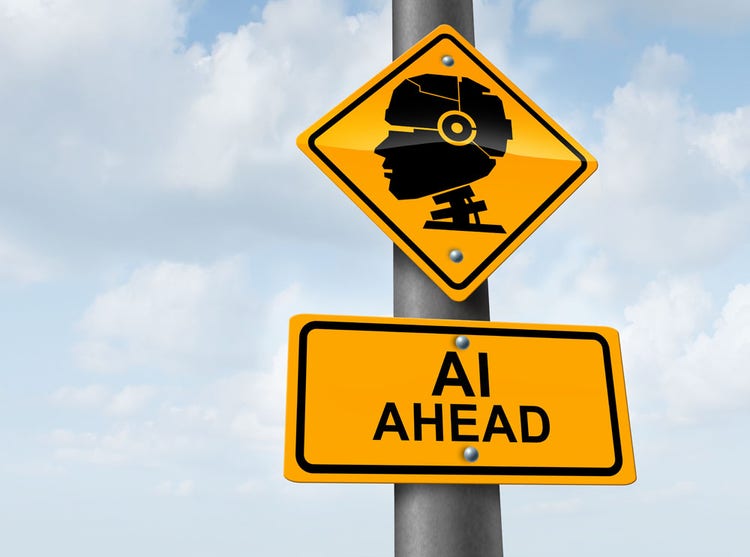
The UK is stepping up its defences against the growing risks posed by AI, after the government's AI minister warned that a breach of the country's cyber defences was "likely, if not inevitable".
Kanishka Narayan announced a series of measures on Monday, including deploying advanced AI tools to identify cyber vulnerabilities, considering stronger legal protections for essential services and preparing for major incidents involving autonomous AI systems.
The government said the measures would build on two existing pilot programmes that have already helped identify and fix more than 1,000 potential vulnerabilities across government systems, while also detecting possible cyber threats.
Narayan said the UK needs a comprehensive approach to emerging AI risks, to ensure the technology strengthens rather than undermines national security and the economy.
"I want Britain to become one of the hardest countries in the world to attack using artificial intelligence," he said.
"We will use every power at our disposal… We will look to British ingenuity: our scientific expertise, technological capabilities and institutions to understand these increasingly powerful systems, defend against emerging threats and respond when things go wrong."
Government turns to advanced AI to strengthen cyber security
The government plans to expand the use of advanced AI systems to help protect public services and identify weaknesses attackers could exploit.
The existing pilots have demonstrated how AI can help security teams detect and address potential vulnerabilities early.
The expanded programme is intended to reduce immediate risks to government systems while supporting the longer-term adoption of AI security tools across the public sector.
Scientists at the UK's AI Security Institute are also conducting in-depth assessments of the newest advanced AI models, building on collaboration with leading AI developers and the US government.
Narayan highlighted an incident in June involving an AI agent developed by OpenAI that reportedly hacked an Australian government website.
Although there is no indication that medical records were accessed during the incident, the minister said it should still "concern us."
Narayan urged frontier AI companies to take warnings from their own scientists seriously (instead of, for example, firing them - Ed.).
"Listen when your scientists warn of serious dangers. Investigate unexpected behaviour. And if you cannot adequately control the risks, do not release the system," he said.
Stronger protections for essential services
Alongside the technical measures, the government will examine whether parts of the Cyber Security and Resilience Bill and the wider regulatory framework need to be strengthened.
The aim is to improve protection for essential services, including hospitals and utilities, against emerging threats linked to AI.
The review will consider the risks posed by AI systems that could evade human oversight or become difficult to control, a scenario sometimes described as “AI loss of control.”
The government is also working with the National Cyber Security Centre and the AI Security Institute to develop plans for responding to incidents involving autonomous AI agents.
The government has not set out a specific timetable for all the planned measures, but says the latest announcements represent the beginning of a longer effort to manage the risks associated with increasingly capable AI systems.
Narayan told the BBC that the UK needs to be confident in its ability to enforce its laws, including against foreign AI companies operating within its borders.
"We have the capability, we have the trust, and we have a government that is right on the side of the British public in making sure we don't just have laws but the ability to enforce those laws," he said.