Half of employers say AI is reducing entry-level opportunities
As Milburn review into NEETs is published, AI has already reduced entry-level vacancies, BSI finds
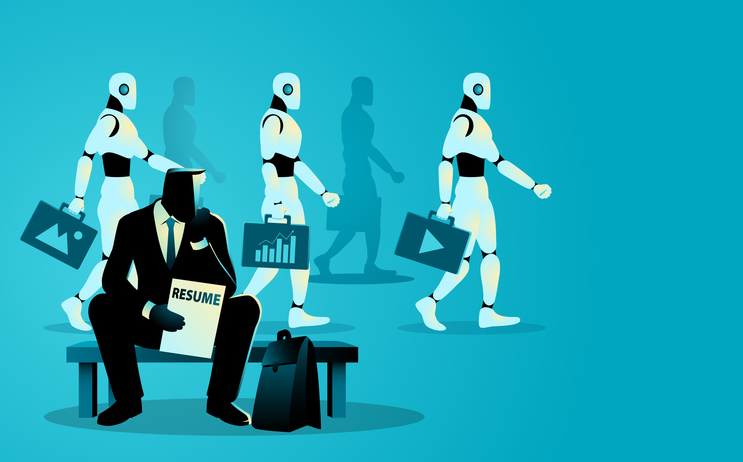
Research commissioned by the British Standards Institution (BSI), the UK’s national standards body, has found that businesses are increasingly using artificial intelligence to perform work traditionally performed by junior employees.
Half (49%) of the 1,287 business leaders surveyed said AI has already reduced entry-level opportunities for starters, with the same proportion expecting their organisation to reduce entry-level roles because of AI.
In a separate finding, 52% of respondents said AI is reducing junior headcount, up from 45% who said the same last year.
The report Human by Design: Thriving in the AI Workforce notes a high level of confidence in the transformative potential of AI, with 59% of business leaders viewing the technology as crucial to the growth of their organisation.
Severing the talent pipeline
However, it notes that while cutting jobs might save money, this practice may be building up future problems by severing the talent pipeline, blocking the routes through which inexperienced workers become experienced ones.
See also: AI has broken recruitment. Here’s how employers can fix it
“Removing entry-level work may deliver efficiencies in the short term, but organisations will still need employees who have skilled up and progressed internally,” it says.
“People also develop judgement and expertise through doing the work themselves, with the guidance of a human mentor.”
The use of AI within the workplace, with people increasingly consulting chatbots rather than colleagues, is also endangering the routes via which people develop core expertise and skills, BSI finds.
“AI’s greatest risk to the workforce in the long-term may be eroding the career pathways, learning opportunities and the sense of purpose through which people develop expertise, confidence and ambition.”
Rather than simply handing work over to AI, BSI argues that organisations should assess the value employees bring and redesign jobs so that learning, judgement and progression are preserved.
The problem extends beyond employers, however, with policymakers facing pressure to ensure education and training keep pace with a labour market being reshaped by AI.
“If this happens, new workers will be valuable to employers because they will be able to adapt as AI transforms requirements,” it says.
The impact of AI on youth unemployment
Publication of the BSI report coincides with the release today of the Milburn review into the sharp rise in the number of young people who are not in education, employment or training (NEET). Automation could make the youth unemployment situation worse, the standards body warns.
“While AI is far from the sole cause of youth unemployment, there are fears it is poised to exacerbate an already significant challenge, with consequences that will reverberate for generations to come.”
BSI argues that insufficient thought is being given to the long-term consequences of AI’s rapid adoption.
“The sentiment seems to be ‘adopt AI or die’. But too little thought is being given to the long-term consequences of replacing human talent with AI,” said Kate Field, global head human and social sustainability at BSI.
“There are serious questions around what working alongside AI means for people’s psychological safety and wellbeing at work, and more broadly the repercussions of decisions that could corrode skills development or reduce the opportunity for collaboration and creativity.”