EU agrees to delay AI Act rules
Agreement will postpone restrictions on AI by more than a year, under pressure from USA
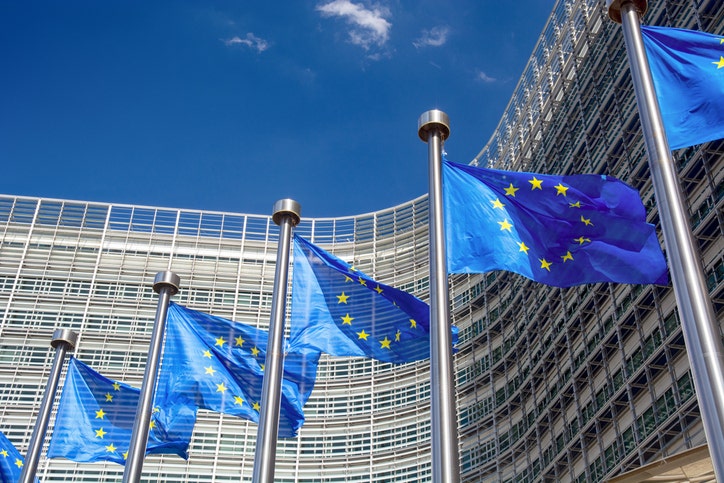
The European Union has agreed to “streamline” certain rules in the AI Act, delaying implementation by up to 16 months.
The European Commission and lawmakers in the European Parliament reached a provisional agreement today, as part of the so-called 'Omnibus VII' legislative package.
Existing provisions on high-risk AI systems had been due to come into force on 2nd August, but will now not be active until December 2027 for standalone systems, or August 2028 for systems embedded into products.
“Today’s agreement on the AI Act significantly supports our companies by reducing recurring administrative costs,” said Marilena Raouna, Deputy Minister for European affairs of the Republic of Cyprus (the current president of the EU).
“It ensures legal certainty and a smoother and more harmonised implementation of the rules across the Union, strengthening EU’s digital sovereignty and overall competitiveness.”
The Commission’s now-agreed proposal adjusted the timeline for applying rules on high-risk AI systems by up to 16 months – arguing that the rules should only start to apply once the Commission confirmed that the necessary standards and tools are available.
It also proposed targeted amendments to the AI Act that would extend certain regulatory exemptions for SMEs to larger firms (officially known as SMCs, small mid-caps); reduce some requirements; add the possibility of processing sensitive personal data; reinforce the AI Office’s powers; and reduce governance fragmentation.
The agreement follows heavy pressure from the US tech industry and government, as well as some EU nations. German Chancellor Friedrich Merz, for example, had pushed to exempt the use of AI in industrial applications from the AI Act – a proposal that has now been accepted.
Exemptions for other industries, such as medical devices being considered, such as medical devices, were not agreed.
One requirement was actually made more restrictive, however. The grace period for providers to mark AI-generated content as such was reduced from six months to three, with a new deadline of 2nd December this year.