Wikipedia loses legal bid to avoid Online Safety Act verification rules
Ofcom to decide on category one status
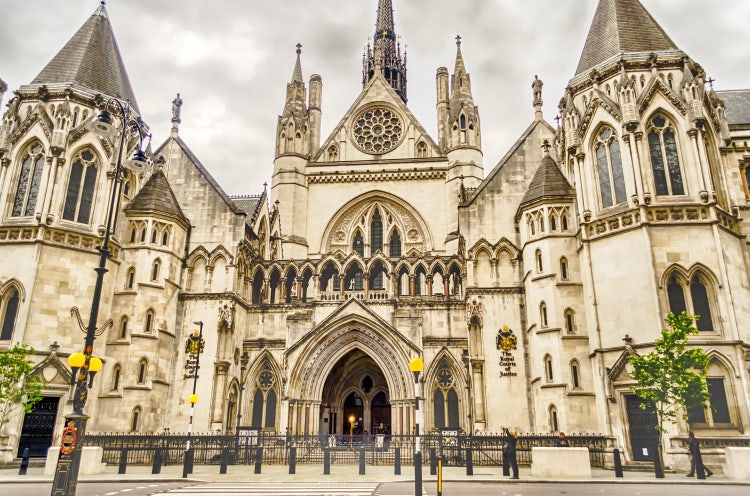
The Wikimedia Foundation (WMF) has failed in its High Court challenge against UK Government regulations under the Online Safety Act, which could require user verification on the online encyclopaedia.
WMF, supported by an anonymous editor known as BLN, argued that the rules introduced in March should not apply to Wikipedia. It claimed that mandatory verification would either force the platform to identify unwilling contributors or drastically reduce its UK audience, undermining its open-editing model.
But in a judgment handed down on Monday, Mr Justice Johnson dismissed the case, suggesting that Wikipedia could still operate within the law “without causing undue damage” to its work.
The Online Safety Act’s framework categorises some services as “category one” based on factors such as user numbers and how information is shared. Category one platforms face stricter requirements, including measures to tackle harmful content and, in some cases, mandatory user verification.
Rupert Paines, representing WMF, argued the regulations were drafted with large, profit-driven social networks like Facebook, X and Instagram in mind and that filtering out unverified contributions on Wikipedia would render many articles unreadable. He also warned the measures could breach users’ human rights.
In an blog post WMF said “While the decision does not provide the immediate legal protections for Wikipedia that we hoped for, the Court’s ruling emphasised the responsibility of Ofcom and the UK government to ensure Wikipedia is protected as the OSA is implemented.”
While rejecting WMF’s challenge, the judge stressed the ruling was not a “green light” for Ofcom or the Secretary of State to introduce measures that would “significantly impede” Wikipedia. Any such move would still need to be proportionate.
Responsibility for deciding whether Wikipedia falls under category one now rests with Ofcom. That decision, Mr Justice Johnson noted, could itself be subject to legal review.
Mona Schroedel, a data protection litigation specialist at law firm Freeths, commented:
“Yesterday’s decision has been a pragmatic way forward in a period of uncertainty. With the new legislation due to roll out, teething problems on the practical implementation are coming to light. In Wikipedia’s case there will now be a chance for the legislation to be reconsidered by the Secretary of State and if Wikipedia is then still caught in the enhanced parts of the regulation for that to be subject to a formal judicial review challenge.”
She continued: “Wikipedia has been caught in the stricter regulations due to its size and user created content even though it argues (convincingly) that it differs significantly from other user-to-user platforms. The Court’s decision has left the door open for Wikipedia to be exempt from the stricter rules upon review.”