RAM shortage threatens higher laptop, smartphone prices
Demand for memory to fuel AI boom heaps more pressure on device OEMs
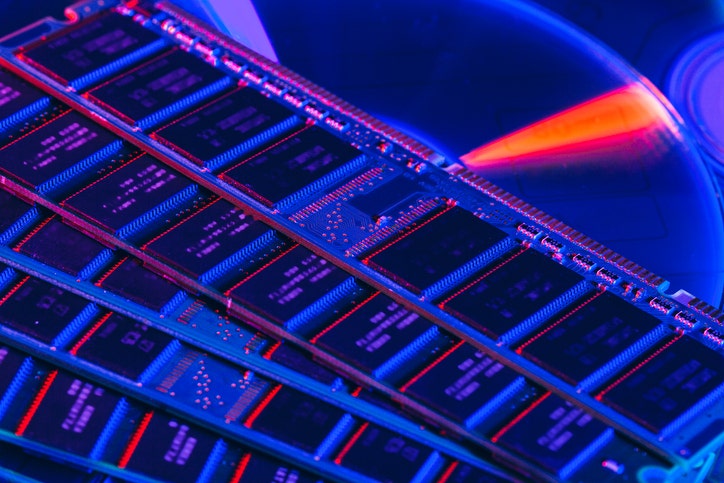
The price of DRAM has rocketed in recent weeks, thanks to demand for memory to equip AI datacentres, supply constraints and general economic uncertainty.
RAM prices are at a historic high, according to industry trackers such as PCPartPicker, with DDR4 and DDR5 memory used in PCs and laptops hardest hit. DDR5 prices have nearly doubled in the last 6 months and almost tripled year-on-year, and DDR4 prices have also surged as production is phased out.
Analysts say a key reason is that RAM manufacture has been diverted into the more profitable High Bandwidth Memory (HBM) used in AI accelerators.
The rapid build-out of AI datacentres is hoovering up much of the available capacity. OpenAI reported that its Stargate project signed a deal with Samsung Electronics and SK Hynix plan to produce 900,000 DRAM wafers, which would be around 40% of the current supply.
Ninety-per-cent of the DRAM market is controlled by three major players: Samsung, SK Hynix and Micron, which have all announced plans to increase production - SK Hynix said it would increase in DRAM production eight-fold in 2026. Against this, however, manufacturers may be cautious about going all in on RAM owing to fears of the AI bubble bursting, and there has been dark talk of price-fixing by an industry with a history of such activities.
In the absence of a financial crash, memory prices are likely to remain at inflated levels for at least another year, which, given the widespread uses of RAM, will affect the entire industry, in a similar way that chip shortages caused multiple bottlenecks and delays during the Covid pandemic.
Producers of PCs, laptops and smartphones face higher prices for components, in addition to existing US tariff pressures, which will eventually be passed on to consumers. Meanwhile, some manufacturers - like Lenovo - are reportedly stockpiling RAM in an effort to see out the wave of price rises.
Manish Rawat, semiconductor analyst at TechInsights, says that server costs could rise 10% to 25% due to higher memory prices, presenting another barrier to AI datacentre expansion, and high RAM prices are affecting the cost of other components too, such as GPUs. AMD and Nvidia are reportedly considering price increases for their graphics cards due to memory shortages.
There is a broad consensus among analysts that, provided AI demand remains strong, RAM prices will remain high or rise even further until early 2026. As new manufacturing capacity comes online prices may start to decline towards the end of the 2026, although the shifting dynamics and dominance of three large players makes this hard to forecast.
Meanwhile, high memory costs have been added to the list of reasons given by some IT vendors for laying off staff. Announcing the elimination of between 4,000 and 6,000 positions globally by the end of 2028, HP president and CEO Enrique Lores said RAM prices will likely dent profits: “Memory costs are currently 15% to 18% of the cost of a typical PC. While an increase was expected, its rate has accelerated in the last few weeks.”