Nvidia will not be allowed to sell most powerful Blackwell chips to ‘foreign countries’, Trump says
Signals a hardening stance on AI technology sharing
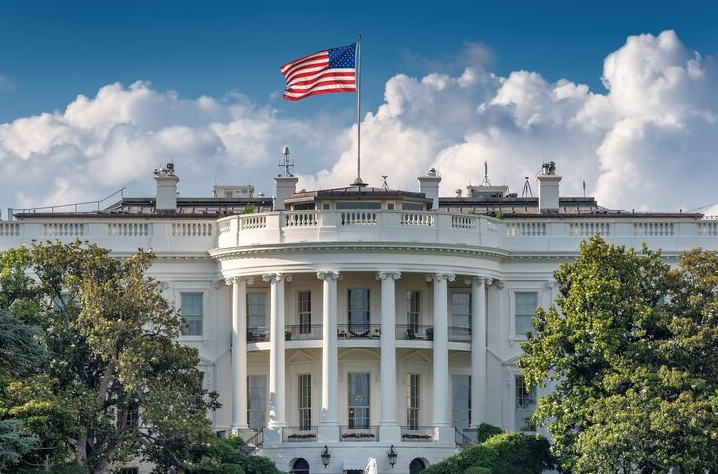
US President Donald Trump said Sunday that Nvidia will be barred from selling its most advanced AI chips to China and other foreign countries.
Speaking aboard Air Force One, Trump said the company's top-end Blackwell chips, widely regarded as the most powerful AI accelerators in existence, will be reserved exclusively for US customers. Although China was mentioned explicitly, the list of “other foreign countries” was not expanded upon.
"We don't give the Blackwell chip to other people," Trump said.
In a "60 Minutes" interview with CBS that aired Sunday night, the president elaborated on his position, saying he would not allow Chinese firms to access Nvidia's latest generation of chips, though he left open the possibility of permitting less-capable versions to be sold abroad.
"We will let them deal with Nvidia, but not in terms of the most advanced," he said.
"The most advanced, we will not let anybody have them other than the United States."
Asked on CBS whether the decision was driven by fears that China might "win the AI race," Trump replied: "Well, they wouldn't win it necessarily, but they would certainly have an equal advantage."
"Right now, we're winning it because we're producing electricity like never before by allowing the companies to make their own electricity - which was my idea."
The move represents a sharp departure from the administration's previous signals.
In July, the White House released a blueprint outlining plans to expand AI exports to allied nations as part of a broader effort to maintain America's technological lead over China. That policy had raised expectations that Washington might relax restrictions on certain AI components, especially for partners such as South Korea and Japan.
However, Trump's comments appear to indicate a hardening stance on AI technology sharing.
According to The Wall Street Journal, Nvidia CEO Jensen Huang had personally lobbied Trump to approve exports of the company's new AI chips to China, ahead of the 30th October summit in Busan, South Korea, where Trump met with Chinese President Xi Jinping.
Huang argued that the sales could help Nvidia maintain influence in China's massive tech sector, even if under tight oversight.
But senior administration officials, including Secretary of State Marco Rubio, advised strongly against the move, citing national security risks and warning that allowing Beijing access to the Blackwell line could enhance China's military and surveillance capabilities.
Trump ultimately sided with Rubio and other security experts, reportedly declining to discuss Nvidia's chips during his meeting with Xi.
"President Trump listens to a variety of insights on policy matters, including from top business leaders. President Trump's historic meeting with President Xi proves, however, that the only factor guiding his decision-making is the best interest of the American people," a White House spokesperson said.
Nvidia's China collapse
For Nvidia, the decision cements a painful shift in its business landscape.
In October, CEO Jensen Huang admitted that the company's China operations are effectively "100% out," describing a collapse from "95% market share to 0%" amid tightening US and Chinese restrictions.
"In all of our forecasts, we assume zero for China," Huang said at the time. "If anything happens there - which I hope it will - that will be a bonus."
Washington first imposed limits on Nvidia's A100 and H100 chips in 2022, before expanding those restrictions to the A800 and H800 models that had been specifically redesigned for the Chinese market.
Beijing has retaliated by urging state-linked firms to avoid Nvidia products altogether and turn instead to domestic alternatives such as Huawei's Ascend chips.