AI and virtualisation are reshaping global filmmaking
But even Oscar-winning studios are feeling the compute crunch
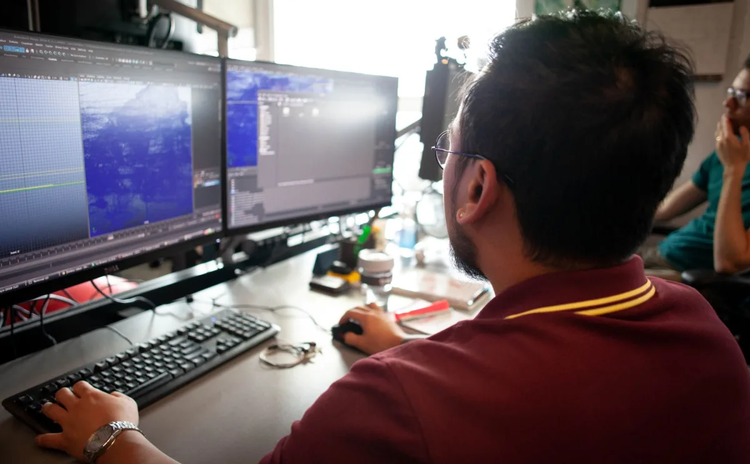
Next to the AI boom, even one of the largest visual effects companies in the world can feel small.
Double Negative – which holds eight Oscars and the same number of BAFTAs for work on properties like Inception, Oppenheimer, Harry Potter and Dune – runs on the type of graphics processing power everyone from hyperscalers to frontier labs is chasing. With prices shooting up, the company has faced some hard decisions.
The pressure is "incredibly difficult to navigate," says head of technology projects Will Lucas. "We're one of the biggest visual effects companies in the world, but we're not an Nvidia and we're certainly not Anthropic."

It has not only meant finding a balance between crucial pieces of hardware, like the Nvidia Blackwell GPUs in the company's workstations, and saving costs in other areas, including CPUs. It has also required "a lot of back and forth" between DNEG and its hardware partner, HPE Financial Services (HPEFS), as the company tries to plan purchases around production schedules and volatile pricing.
"Because of those rising costs and the inventory issues, being able to forecast and plan purchases based on what shows we're doing at the time, when we need the hardware, and what hardware we need to upgrade...makes it a lot easier for us," says Will.
Creating a global epic takes more than artists
DNEG works on feature films, animation and TV shows, but its biggest project to date comes from Bollywood.
Ramayana, produced by DNEG CEO Namit Malhotra, will be released in November this year. The story is a classic Indian tale but the production is "a full global show," with DNEG sites in London, Mumbai, Montreal and Sydney all handling different aspects.
There are "petabytes flying around the world" as DNEG works on the film, which means a lot of data, a lot of render hours and a lot of compute.
Creating modern visual effects consumes compute resources at levels rarely seen outside datacentres. That makes "high spec, flexible compute" imperative, even though much of the work has historically remained on-prem because of client concerns around intellectual property and secrecy.
That was "a big headache" for the staff who had to move artists' workstations between desks – having everyone on the same project working in the same room is a quirk of the VFX industry – but the machines were also "very bulky, very difficult to work with [and] not efficient at all."
With operations growing those traditional desktop environments became increasingly difficult to scale and manage, so DNEG opted to pursue the virtualisation route through its partnership with HPEFS.
"It's all remotely connected via thin clients," says Will. "People can move to whatever room they want, whatever desk, and they can connect back to the same hardware they've been supplied that's sitting in our datacentre downstairs."
Keeping compute busy round the clock
The pursuit of efficiency doesn't stop there. DNEG's compute is active practically 24/7, with render farm utilisation in particular rarely dropping below 95%, even at Christmas.
The reality of being a truly global company means that "just because a resource is in London doesn't mean that only London can use that resource."
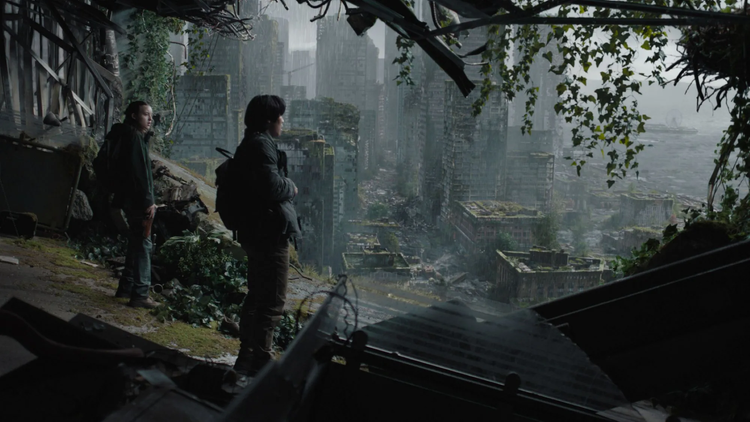
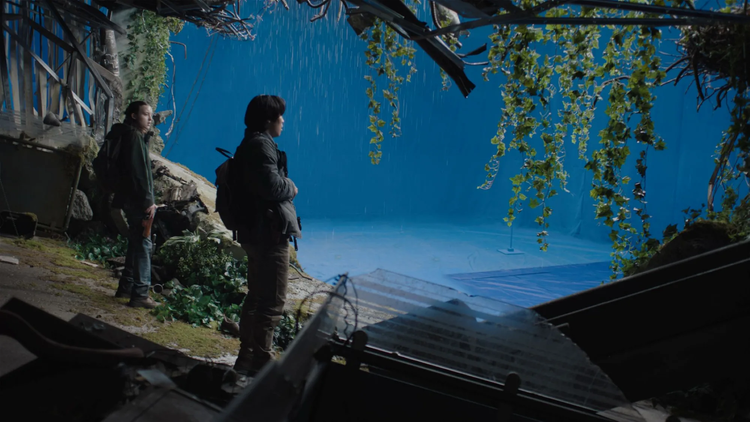
Using a system called DNEG Cloud Rendering, global sites can share work with others where there is spare capacity. For example, nighttime in London is prime time for Sydney; they can send work to the UK to render, to be ready when they come to work the next day.
"We use all of our resources to the best of our ability, and that also goes into VDI as well."
Virtualisation has also "considerably" reduced downtime. If a workstation has an issue, there's no need for a technician to be physically nearby to fix it, which means fewer wasted hours for the most expensive part of the business: its people.
"Having a remoteable piece of hardware that anyone in the world at any time can support and fix is game changing for the way that we use resources."
AI is breaking language barriers
If virtualisation has changed how DNEG is using hardware, AI is changing what that hardware is used for. The same push for flexibility is helping to solve one of cinema's biggest challenges: localisation.
Before modern AI, the only choices when showing a film to an audience that didn't speak the original language have been subtitles or dubbing. Despite the occasional fun cheesiness neither are particularly compelling, and it has limited the appeal of films outside their home markets.
Brahma AI, a subdivision of DNEG, is using in-house software to generate localised voices for each actor and alter their on-screen mouth movements to match. The aim is to go beyond dubbing and make translated features feel like they were filmed in that language from the start.
"The agentic AI generations that are being done with this software and with this work is kind of next level, I think... Applying it to real world film shows like Ramayana means that we can break down the typical Bollywood and language barriers that exist in the world."
DNEG's immediate future mixes pragmatism – upgrading the older VDI equipment at its Montreal site – and AI ambition, pushing Brahma's lip-synching tech to support Ramayana's global release.
Will is cautious about looking beyond that point: "Anything past [six months] is impossible to count on,” he says. But the direction of travel, towards more compute and flexibility, is clear enough.
The future of visual effects still depends on artists at DNEG, but it is technology that is unlocking them from their desks, helping to scale their output and reach entirely new markets.