2025 Women in Tech Excellence winners share their stories
Winners reflect on the recognition and impact the awards bring, and share advice for 2026
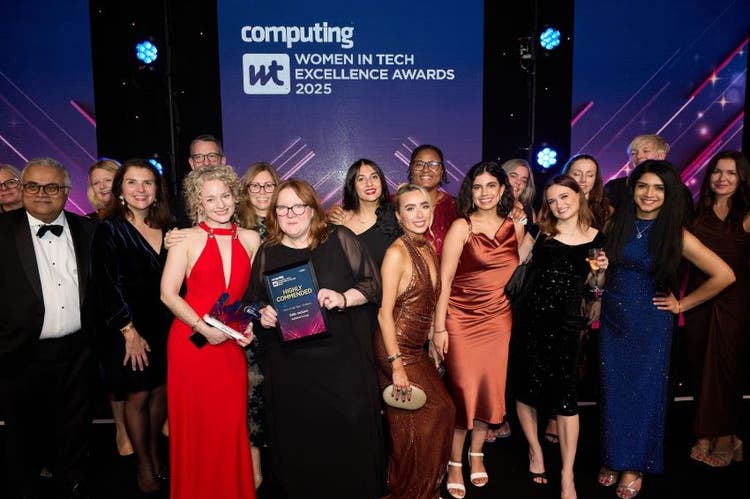
Winners from last year’s Women in Tech Excellence Awards share what it felt like to win, how their lives have changed since, and their advice for those entering this year.
From thousands of nominations, 30 winners were crowned at the Women in Tech Excellence Awards 2025. They represented the best and brightest in tech, from apprentices to founders. As we gear up for this year’s awards, we spoke to previous winners about how the recognition has affected them.
“It felt like magic”
Awards nights can be a blur. When we asked winners what they remember, nobody mentioned the trophy first. They spoke about being seen in an industry where women’s work can often go unnoticed.
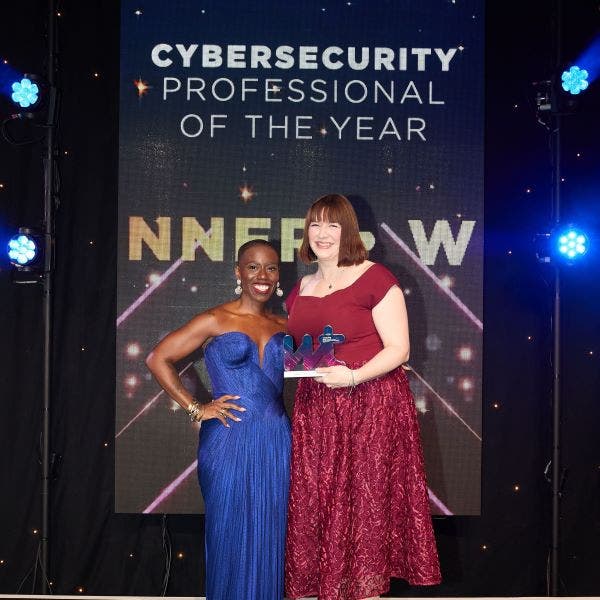
Rebecca Taylor from Sophos, Cybersecurity Professional of the Year, said: “It felt like magic… It was the pat on the back I needed!”
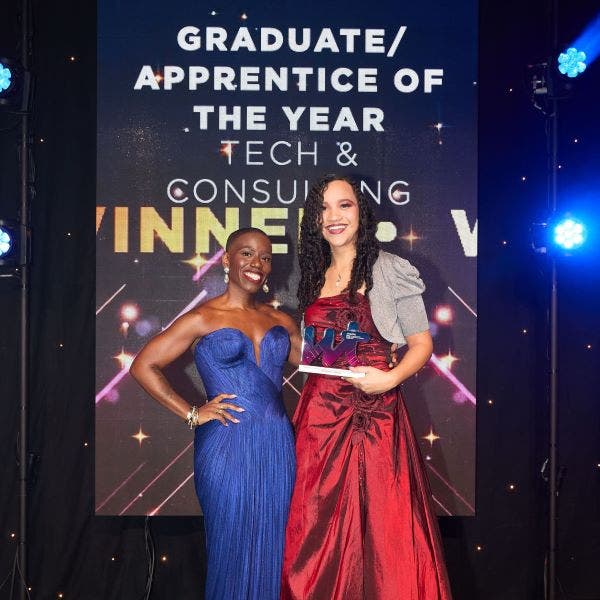
Felicity Bruce from Vodafone, Graduate/Apprentice of the Year – Tech and Consulting, recalled: “At first, it was disbelief… the work I had been doing behind the scenes genuinely mattered.”
Neshma Emile from Zumo, Innovator of the Year – Other, added: “It was genuinely surprising, but also really reassuring… it meant a lot to have the work I care about recognised.”
Kirsty Nunn from Millfield School, Role Model of the Year – Other, called it “humbling and energising… incredibly meaningful.”
For returners, Lynsey Carr from Emerald Publishing, Outstanding Returner Award, said: “It was overwhelming in the best possible way and I'm still struggling to put this all into words!”
What changed after winning: confidence, credibility and doors opening
The aftermath wasn’t just feel-good. Winners told us the award how people listened, trusted, and engaged with their work.
Lynsey Carr said the impact showed up in day-to-day working life:
“I feel winning this award gave me visibility around the business and supported with building relationships and trust with colleagues. I also feel more confident within my role as I know I have been recognised.”
For Rebecca Taylor, recognition turned into momentum: “Winning the award has elevated me into conversations and pathways I would never have expected… These have included opportunities to speak at some of the biggest conferences the UK has to offer.”
Felicity Bruce saw a similar effect, proving that early-career talent can have real influence: “I have been invited to speak at multiple in-person Women in Tech panels that will actually bring about change… the award validated that apprentice Software Engineers can create true impact.”
Visibility can also become leverage. Arvinder Thandi from Nationwide Building Society, Winner of Hero of the Year – Finance, said the award “amplified my voice” and strengthened her credibility “as both an engineer and an advocate for diversity in tech.”
For leaders, it can bring a different kind of shift: more people looking to you, and more chances to lift others with you. Maryna Rybalko from Paydock, Winner of Team Leader of the Year – Finance said:
“It created new leadership opportunities, expanded my network, and positioned me as someone others look to for guidance,” adding that it reinforced her commitment to mentoring and supporting non-profits.
Not every change was headline-worthy, but that doesn’t mean it wasn’t big. Laura Gilbert told us simply: “It has increased my confidence in my abilities.”
Advice for this year's entrants
When asked for advice, winners returned to focusing on evidence of impact. Consider what changed because of your work rather than trying to “sell” yourself.
Kirsty Nunn put it this way: “Be specific about your impact and don’t downplay your achievements… Tell the story of the difference you’ve made, not just the responsibilities you’ve held.”
If writing about yourself feels uncomfortable, Neshma Emile suggested changing perspective: “Try writing your entry as if you were nominating someone you really admire,”. She also encouraged people to nominate colleagues, noting that “there are so many brilliant women doing impactful work who deserve to be recognised.”
For returners, Lynsey Carr’s advice focused on taking the first step even when confidence is shaky: “Do it! Put yourself out there and be vulnerable… speak about yourself like you would to someone you love.”
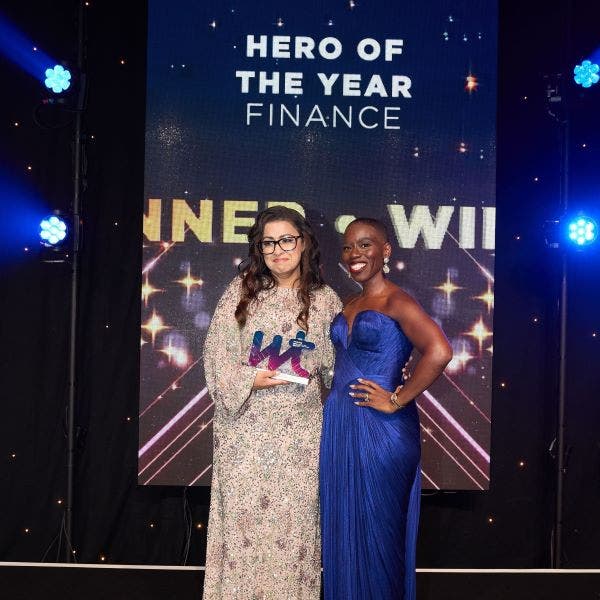
Arvinder Thandi also emphasised capturing impact clearly: “Don’t underestimate the power of your story - focus on the impact you’ve made and the people you've helped.” She added: “Enter even if you feel you’re not ‘ready,’ because your work may already be inspiring more people than you realise.”
When in doubt, Laura Gilbert suggested trusting the feedback you’re already getting: “If your friends and colleagues tell you you’re doing something brilliant, believe them.”
What these stories tell us is that the hardest part of an award submission is often getting started, especially for people who feel their work is “just part of the job.” But they also tell us that being recognised can have a lasting effect well beyond the awards night.
Nominations for the 2026 awards close on 17 April. View the categories on our website.
View the full responses from the 2025 winners here.