17 Aug 2009
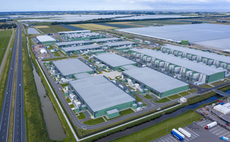
IT services firm Patni has opened a $40m (£24.5m) business process outsourcing (BPO) delivery centre in the outskirts of New Delhi to meet customer demands for green IT.
The facility, operational since the beginning of 2009, was built on a five-acre space and has a seating capacity of 3500 staff in a single shift, 60 per cent of which is now occupied by clients from areas such as financial services and insurance.
Thanks to the building’s climate responsive features, the supplier cut its electricity bill by half as 75 per cent of the site receives natural sunlight. Tapered ceilings, as well as the absence of blinds, maximise light penetration. Water consumption was also cut by 30 per cent.
Savings can also be found in the IT structure of the site, where energy efficient computers and servers are used and virtualisation is used in half of its datacentres. Videoconferencing is also used extensively.
“The idea for the new centre was to strengthen delivery capabilities as we expand and diversify BPO business across business segments and geographies including Europe, North America and Asia,” said Sanjiv Kapur, head of Patni’s BPO practice.
“From the customer’s point of view, green initiatives and buildings are gaining importance. Today, outsourcing buyers are becoming more and more aware of green issues and are looking at vendors who have green initiatives and green IT to add sustainability value,” he said.
According to Kapur, the construction of the building needed management commitment and about seven per cent more investment than initially planned. The firm hopes to recoup the additional cost over a period of two to three years.
Eventually, the project went ahead as the firm’s operations are run on a round-the-clock basis and the new facility constitutes an extra attraction for prospective clients –the site can only be used for new business – and improved staff productivity.
Additional facts
• The new centre is constructed around central courtyards, which act as a
micro-climatic generator, so reducing energy consumption. A body of water and
vegetation reduce ambient temperature by evaporative cooling.
• Motion sensor lighting system and energy efficient lights with electronic
ballasts.
• Minimum night sky pollution.
Working environment
• Some 95 per cent of occupants have access to outside views.
• Healthy air quality with CO2 sensors for adding fresh air on demand - carbon
dioxide sensors pump in fresh air as soon as the CO2 level rises due to more
occupants in the area.
• Air conditioning system sensitive to number of occupants and temperature. The
system adjusts the air flow based on capacity monitored by occupancy sensors.
• Interior materials with low volatile organic compound (VOC) emissions such as
paints and adhesives.
• 3M mats for indoor pollutant source control.
Water management
• Zero discharge building
• 100 per cent recycling of sewage which is converted to fertiliser. The water
is used for gardening, flushing and a cooling tower.
• Solar water heating.
• Storm water management.
• Grass pavers all across the facility to increase permeability of the site.
• Drip irrigation.
• Native and low-water consuming plants cover open green spaces.
Eco-friendly materials
• More than 70 per cent of the building material is procured locally - within
500 mile radius.
• Use of recyclable products; gypsum ceiling, glass, MDF.
• Use of reclaimed wood and bamboo flooring.
• Eco-friendly construction practices. Broken tiles have been used in balconies;
stone waste is used as finishing material for planters. Wood used in
construction of building is sourced from ship wrecks from Jamnagar port.
Have your say on this article
Newsletters
Latest stories from Services and Outsourcing
You may also like
Services and Outsourcing jobs
Technology Patent Wars
Case studies from large organisations across all sectors
... And rich media, and flexible working, and peaks in traffic ...
Upcoming Events
Join us for this Computing web seminar, in which the Head of BI at the Co-operative Group Nick Colebourn will be explaining just how he reigned in the Group’s sprawling database estate and how significant savings were realised and data quality improved as a result.
Date: 31 May 2012
Time: 11:00 AM
Live June 13th 11:00am: Register now. During this web seminar we will be looking at the sorts of incidents that can bring data centres grinding to a halt and what can be done about them.
Date: 13 Jun 2012
Time: 11:00 am
Receive the latest jobs direct to your inbox
Are you being paid what you are worth?