This site uses cookies. By continuing to browse the site you are agreeing to our use of cookies. > Find out more here


Windows 8: awesome or yawnsome?

By Peter Gothard

17 Oct 2012

View Comments
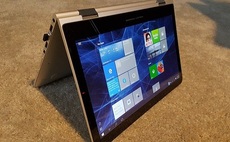
the-lenovo-ideapad-yoga

To listen to Microsoft, Windows 8 is the most important operating system (OS) launch from the company since Windows 95. The “dawning of a rebirth” and “the most important piece of work we’ve ever done” are some of CEO Steve Ballmer’s more choice quotes regarding the new OS.

Further reading

But hyperbole aside, it’s a version of Windows that, mostly due to its promised interoperability with mobile devices, seems to be capturing the imagination of the enterprise sector more than many of the OS’s earlier incarnations.

It’s clear, however, that Microsoft has failed to win over the majority of technology industry watchers and insiders who perhaps have been burned too many times by much-trumpeted launches such as Windows ME or Windows 7 phone.

The pundits’ view

“I think any problems will come from the new user interface,” says Annette Jump, research director at analyst firm Gartner.

“It’s very different to the traditional Windows UI, and it will take both consumers and business users longer to get used to it.”

Jump is not convinced that Microsoft is succeeding in selling the potential benefits of the new Modern UI to enterprise users, and that this could result in an extended time-lag between launch and mass business take-up.

“From an enterprise point of view, I don’t see any major benefits in terms of the new UI right now, apart from for tablet users, or those who travel a lot and want to migrate from a notebook to a tablet,” says Jump.

The chief concern for business is around how suitable the UI will be for traditional desktop users. Since its unveiling there have been assertions that the all-purpose Modern UI – which extends beyond the panel-based top level “shell” and creates a desktop with chunkier buttons – may in fact be geared more towards the needs of mobile users than those of desktop users.

However, there is an upside to this mobile focus in the form of the iTunes-like Windows Store, which Microsoft hopes will become just as successful as Apple’s App Store, albeit within a more enterprise-oriented context.

“The number of hardware vendors they’re working with to provide attractive tablet designs for the OS is great,” says Jump, before conceding that, at launch, the Windows Store may be understocked with content.

“The amount of applications on there is still too limited, but I expect on launch the number of applications will be significantly increased,” she says. “From my discussions with Microsoft, they’ve realised they need the application system – specifically for tablet – to make Windows 8 successful.”

Reader comments

blog comments powered by Disqus

Newsletters

Does Google know too much about you?

Google's linked data policy, which came into effect on March 1, allows the company to collect information about its users across all its products, services and websites and store it in one place. This has been criticised by organisations ranging from CNIL to Microsoft, all of whom have expressed concerns that it's difficult to tell which data Google collects and how it's used. Now the Information Commissioner's Office is investigating whether Google's privacy policy is compliant with UK law. Are you worried that Google knows too much about you?

41 %

5 %

15 %

39 %