Until about 18 months ago, m-commerce simply meant mobile entertainment – ringtones, logos and the like. Given that m-commerce as a revenue channel for brands and retailers is still in its infancy, there are few successful examples that businesses can look to when devising a plan to use mobile phones to engage with customers and sell products.
A retailer that is planning to let customers use a mobile phone to make purchases has many decisions to make. First, and most importantly, it has to decide how it will present the transaction to the consumer. Options include using SMS, a mobile web site or smartphone apps.
Each of these technologies has advantages and disadvantages, according to Andrew Bud, chief strategy officer and founder of mobile transaction provider mBlox.
“SMS is nice because it’s completely ubiquitous. You can reach 100 per cent of your customers. The advantage of mobile internet is that it is largely independent of the handset being used and the nice thing about apps is that they can be super-fast and nice to use. Plus there is a sense of ownership that consumers have over apps that they don’t have over other methods,” he says.
“But mobile apps are sensitive to the precise phone technology and so there is a tremendous amount of technical complexity lurking behind the world of apps.”
Once the main m-commerce mechanism has been decided, the next consideration is security. Customers need to be confident that their details are safe before they will use mobile channels, but a recent KPMG survey of nearly 6,000 consumers worldwide showed that nine out of 10 are still worried about privacy and security when it comes to m-commerce.
“In the early days of the internet, there were questions asked; should you put your credit card details online to buy things? Is it safe? Today with mobile commerce, we’re seeing a similar concern,” explains Suhail Bhat, director of policy and initiatives at the Mobile Entertainment Forum (MEF).
And it is not just the security worries of customers that companies rolling out these services need to address.
“You have a plethora of ways of engaging with your customers, and each one of those comes with its own [security] challenge,” says Bhat. “At the MEF, we’re trying to help retailers deal with this complexity and reduce the potential for fraud for the merchant and the customer.”
Finally, organisations need to consider what they want to deliver using m-commerce that will make them stand apart from the competition.
In the case of transport operators, for example, are mobile handsets to sell tickets, issue permits or accept fee payments?
“A good example of using m-commerce is Transport for London [TfL]. For the congestion charge, the transaction begins with a text message [from the user], but the payment is not charged to the user’s mobile phone bill, as is the tradition, but the fee is charged to their [credit/debit] card account,” says Bud at mBlox.
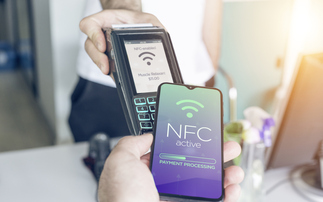
Increasingly, mobile phones with near-field communications (NFC) capabilities are being used as contactless payment devices. The goods and services bought in this way are billed back to the linked debit or credit card. This technology is already well established in Scandinavia and Japan. In the UK, TfL is working on using NFC-enabled mobile handsets as an alternative to Oyster cards.
Another m-commerce application that is proving popular with retailers is mobile vouchers. Aurora Fashions, which owns Karen Millen, Oasis, Coast and Warehouse, is one such company.
“Mobile is a communication method with our customers that lets us move away from the classic paper voucher or gift card,” says Andy Tudor, senior technical development manager at Aurora Fashions.
“Not only can we offer value-based vouchers, but using the CRM data that we collect at the back end we can do targeted promotions to those customers and provide them with vouchers based on their consumer behaviour as well.”
Have your say on this article
Newsletters
Latest stories from Mobile
Latest videos
You may also like
Mobile jobs
Technology Patent Wars
Case studies from large organisations across all sectors
... And rich media, and flexible working, and peaks in traffic ...
Upcoming Events
Join us for this Computing web seminar, in which the Head of BI at the Co-operative Group Nick Colebourn will be explaining just how he reigned in the Group’s sprawling database estate and how significant savings were realised and data quality improved as a result.
Date: 31 May 2012
Time: 11:00 AM
Live June 13th 11:00am: Register now. During this web seminar we will be looking at the sorts of incidents that can bring data centres grinding to a halt and what can be done about them.
Date: 13 Jun 2012
Time: 11:00 am
Receive the latest jobs direct to your inbox
Are you being paid what you are worth?