22 Oct 2008
For a city born out of trading in tar, sailing ships and salmon, Oulu in northern Finland is an unlikely hotbed of technology innovation. But unlike California’s Silicon Valley, Oulu leads the way in applying groundbreaking technology, rather than its development.
City officials launched a six-year plan in 2007 focused on exploiting its untapped IT potential, aiming to be a global leader. Oulu Innovation, the city’s innovation agency, is in charge of managing and delivering the strategy, which includes the establishment of applied research units, as well as business development programmes and innovation trials to create a technologically advanced society.
“We are in a remote location, cannot compete in manufacturing and our natural resources are scarce, so high technology provides us with unlimited opportunities,” says Oulu Innovation’s chief executive, Jukka Klemettilä.
“But if we stand on only one foot – our traditional expertise areas of
mobile and wireless
technology – we may fall easily, so we need another strong base to balance our
portfolio of opportunities. We need to put our best companies under the global
spotlight and create strong innovation systems and processes.”
One of the core focus areas of the programme, which is financed by both public and private funding, is an innovation scheme that aims to assess the public needs for new products and service developments.
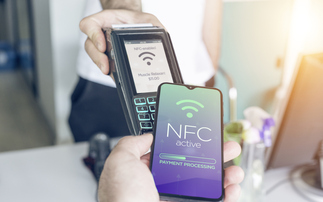
One such development is SmartTouch. This involves the large-scale use of near field communication (NFC) technology for a number of community services.
The project is overseen by a partnership involving more than 20 local enterprises along with large companies, namely Nokia, Gemalto, Alcatel-Lucent and Philips.
Piloting the technology in live environments has allowed project leaders to conduct a rigorous performance evaluation, and is the first step towards modernising public infrastructure, says Outi Rouru-Kuivala, project manager of the SmartTouch project.
“We used the latest technology available, but to deliver a powerful service we also had to keep a strong focus on simplicity, since the projects cater for all segments of the society,” she says.
Oulu Innovation claims to be the world’s first public-sector organisation to use NFC on a large scale. Since 2004, at least 10 trials have been conducted in areas ranging from healthcare to leisure, the first being the use of NFC-enabled mobile phones provided by Nokia for bus ticketing, which was relaunched this year.
Another successful experiment was the provision of a meal service for elderly and disabled citizens, where users place their mobile phones near a tag on a menu to order a particular food item. The information is then transmitted over the web to the catering and logistics companies.
The majority of the trial’s senior participants were over 80 years old. The technology helped them in gaining more independence at home, says Rouru-Kuivala. Using the system also increases security as elderly and disabled people do not need to leave home to go grocery shopping or cook by themselves.
“More than half of the trial’s participants never owned a mobile phone before, but the fact that the touch-and-go technology does not require finger mobility means that they are able to use the devices without any major problems,” she says.
NFC technology has also been trialled for car parking. Last year, a pilot allowed participants to pay parking charges via their mobile phone. Participants had tags placed on the inside of the vehicle’s windshield and by touching the label with a phone equipped with the parking application, tariff and location data was relayed to a central database.
Readers were also installed in parking lots, where mobiles could be used to open gates and inspectors were also able to touch their own devices and verify if the vehicle had a valid parking permit.
Have your say on this article
Newsletters
Latest stories from Mobile
You may also like
Mobile jobs
Technology Patent Wars
Case studies from large organisations across all sectors
... And rich media, and flexible working, and peaks in traffic ...
Upcoming Events
Join us for this Computing web seminar, in which the Head of BI at the Co-operative Group Nick Colebourn will be explaining just how he reigned in the Group’s sprawling database estate and how significant savings were realised and data quality improved as a result.
Date: 31 May 2012
Time: 11:00 AM
Live June 13th 11:00am: Register now. During this web seminar we will be looking at the sorts of incidents that can bring data centres grinding to a halt and what can be done about them.
Date: 13 Jun 2012
Time: 11:00 am
Receive the latest jobs direct to your inbox
Are you being paid what you are worth?